 February 23 2026
Cut-Edge Corrosion, Leaks, and Heat: A Practical Guide to Choosing a Coated Steel Sheet
A coated steel sheet is not “just a sheet with colour.” It is a protection system. It is also a performance system. On real sites, failures usually start in three places. At the cut edge. At the fastener hole. At overlaps and flashings.
So selection must be practical. And installation discipline must be tight. This guide explains what to check. It also explains what to specify. It stays focused on performance, not hype.
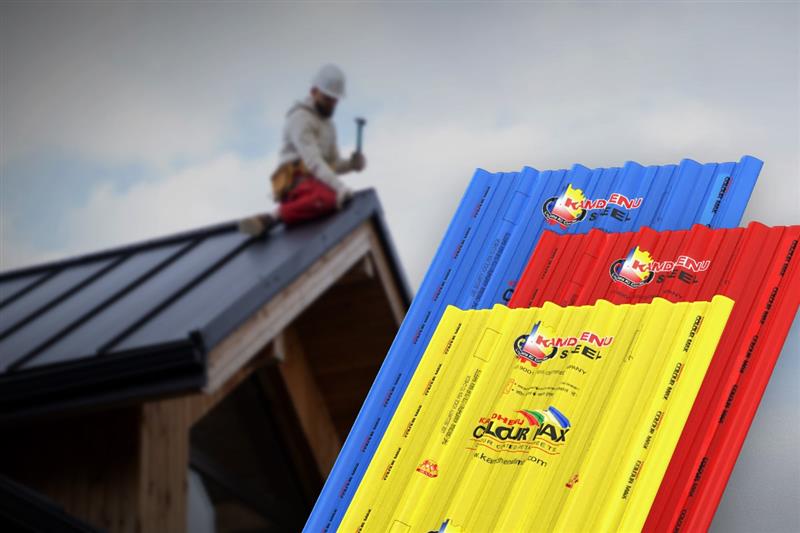
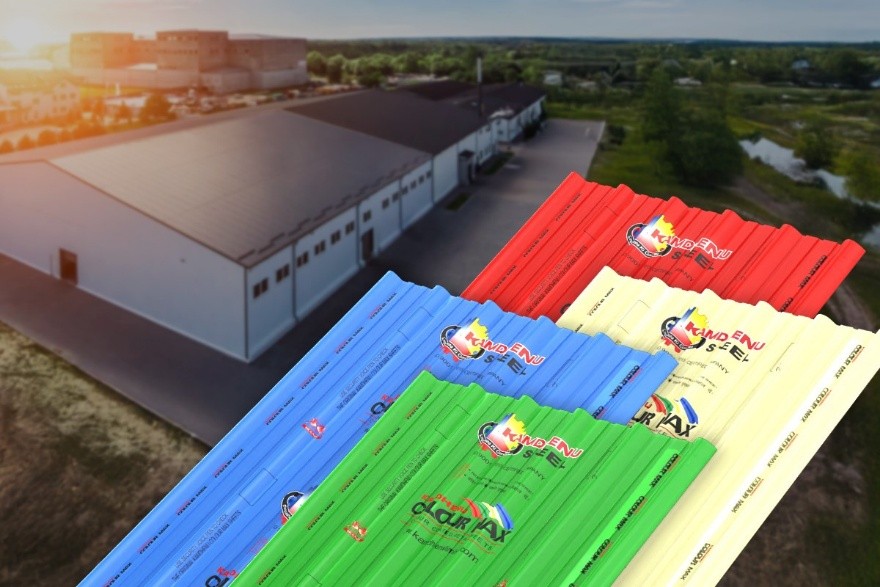
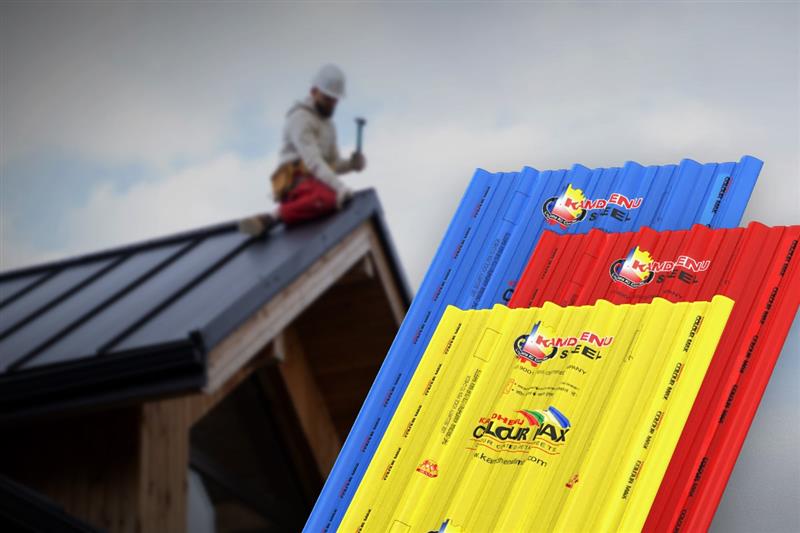
For reference, Kamdhenu Colour Max is positioned for roofing and wall cladding. It is designed for harsh weather. And it offers multiple profiles, like trapezoidal and tile profile sheets.
What is a coated steel sheet?
A coated steel sheet has two layers of protection.
First is a metallic coating. This is usually zinc (GI) or aluminum-zinc (Galvalume).
Second is an organic coating system. This includes primer and top paint. This helps with corrosion resistance and colour stability.
This “metal + paint” combination matters. Research literature notes that coil-coated steel relies on the combined protection of zinc and organic paint, especially near cut edges. So when you buy a coated steel sheet, you are buying a full stack.
The coating stack, in plain terms
Think in layers, Base steel, Metallic coat, Primer, Topcoat and a back coat.
Kamdhenu Colour Max states the base material can be GI-base pre-painted galvanized steel sheets or Alu-Zinc steel sheets (Galvalume).
It also publishes paint and primer details in the brochure. For example, primer is listed as 5 microns (epoxy/PU) on both sides in the material specification section. The top painting thickness is listed as 20 microns, and the bottom paint as 5–7 microns.
This is exactly the level of detail buyers should ask for. Because paint quality is not visible from a distance.
GI vs Galvalume: what is the difference?
GI uses zinc coating. Galvalume uses an aluminum-zinc alloy. Kamdhenu Colour Max lists GI zinc coating as Z120 GSM for its Hi-Rib and Tile profile categories. It also lists Galvalume options such as AZ150 and AZ70 GSM.
The brochure also describes Galvalume as a 55% aluminium and 45% zinc alloy.
What should you do with this information? Use it to match the environment.
Inland, low pollution.
GI with a good paint system can work well.
Coastal or high humidity.
Consider higher corrosion protection planning.
Also, plan periodic cleaning.
India’s corrosion cost is not small. A CSIR–NML statement reported India loses about 2–3% of GDP every year due to corrosion. So the coating decision is not cosmetic. It is financial.
Profile selection is not “design taste”
Profiles change stiffness. They change the water run-off. They change the leak risk. Kamdhenu Colour Max lists profiles such as Hi-Rib (trapezoidal) and Tile profile sheets.
For Hi-Rib profile sheets, Kamdhenu highlights wider valleys for higher water discharge in heavy rains. This is an India-relevant point. Because monsoon performance is mostly about detailing and drainage.
For tile profiles, Kamdhenu positions them as lightweight, durable, and thermally efficient.
Practical specifications you should write in your RFQ
A good RFQ prevents disputes. It also helps you compare suppliers fairly. Kamdhenu Colour Max publishes several technical parameters you can mirror in your RFQ.
It states:
- Coating thickness: 5–20 microns on both sides.
- Yield stress range: 240–550 MPa (depending on product).
- Conformity: meets ASTM, JIS, and IS standards.
The brochure also lists example standard references for GI-base sheets, such as ASTM A653 and IS 277, along with others. You do not need to over-list standards. But you should mention “as per applicable IS/ASTM/JIS” with clarity.
RFQ checklist (copy-paste friendly)
- Product: coated steel sheet for roofing / cladding
- Base: GI-base or Galvalume (state which)
- Metallic coating: specify GSM (example Z120 or AZ150/AZ70 as per need)
- Paint system: top coat microns + back coat microns (ask for values)
- Profile: Hi-Rib / Tile profile (or as per drawings)
- Thickness range: state required thickness (Colour Max Hi-Rib lists 0.30–0.80 mm)
- Effective width requirement (to match purlin layout)
- Accessories: ridge, flashings, gutters, fasteners (bundle them)
Installation decisions that control performance
A coated steel sheet can fail even if the sheet is good. Most failures are installation-led.
Kamdhenu’s own roofing guidance stresses fasteners, overlaps, and correct accessories for leak control. The Colour Max brochure also recommends fasteners designed for colour-coated roofing and highlights corrosion issues from poor fasteners.
Also, remember cutting practice. If you leave metal swarf on the sheet, rust stains appear. If you damage the paint at the edge, corrosion starts earlier. So use cold cutting methods where possible. And clean drill filings.
Delivery and site checks that prevent rejection fights
Do checks at unloading. Not after installation.
Site inspection checklist (quick and strict)
- Check the sheet thickness and profile match the order.
- Check the surface for scratches, dents, or paint damage.
- Check edges for damage at cut ends.
- Confirm colour shade consistency across lots.
- Verify protective film and handling instructions.
- Store sheets on wooden supports and keep them dry.
If your project is coastal, be stricter. Salt exposure accelerates corrosion. This is not a theory. It is a field reality.
Where coated steel sheets make the most sense
A coated steel sheet is a strong choice when you need: Speed, Low maintenance, and reliable performance in the weather.
Common uses include:
- Roofing for warehouses and workshops
- Wall cladding for industrial sheds
- Covered terraces and extensions
- Facade elements where aesthetics matter
Kamdhenu Colour Max positions itself for homes, industries, and commercial establishments. It also claims thermal efficiency benefits for interiors.
Short FAQ
Is a coated steel sheet better than a plain galvanized sheet?
Often, yes.
Because you get metallic coating plus paint protection.
How do I choose between GI and Galvalume?
Use the environment and life-cycle plan.
Also, compare the coating GSM and the paint system.
What thickness is “standard”?
There is no single standard.
Kamdhenu Colour Max lists Hi-Rib thickness range 0.30–0.80 mm and tile profile range 0.40–0.55 mm.
Your span, purlin spacing, and wind zone should be decided.
Closing note
A coated steel sheet is a system purchase. It is not a commodity purchase.
Write the RFQ properly. Check coating and paint details. Use the right profile for rain run-off. Use proper fasteners and matching flashings.
If you want a clean technical reference point, use the Kamdhenu Colour Max product page and brochure specs for base material, coating microns, coating GSM, and thickness ranges.