 January 10 2024
Unveiling the Strength: A Comprehensive Guide to TMT Steel Bars
The construction industry is hugely dependent on construction materials. In the realm of construction materials, Thermo-Mechanically Treated (TMT) steel bars have emerged as a game-changer, redefining the standards of strength and durability in the construction industry. Let us explore the essential aspects you need to know before buying TMT steel, from understanding its uses, benefits, and unique features.
What are TMT Bars
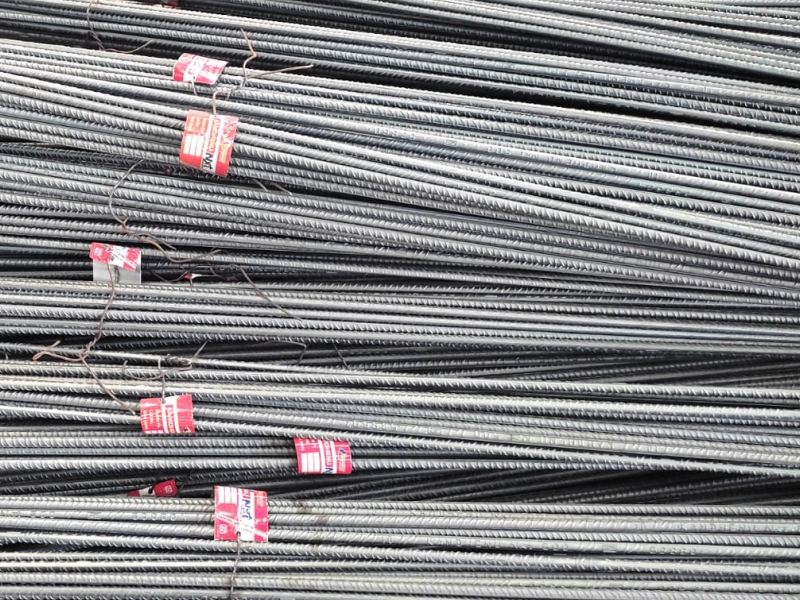
TMT bars are a type of steel reinforcement bar that are extensively used in construction projects to enhance the tensile strength of concrete structures. What sets TMT bars apart is their unique manufacturing process, involving controlled heating and rapid cooling, resulting in a combination of high strength and ductility.
Uses of TMT Bars
TMT bars have a huge range of applications in a wide range of construction projects due to their superior properties. They are extensively used in general-purpose concrete reinforcement structures, bridges, flyovers, dams, thermal and hydel power plants, industrial structures, high-rise buildings, and underground platforms in metro, railways and rapid transport systems.
Benefits Over Traditional Metallic Bars
In comparison to conventional metallic bars, TMT bars offer a plethora of advantages. The thermo-mechanical treatment process imparts enhanced strength, making TMT bars more resistant to bending and twisting. This results in increased structural integrity, reducing the risk of construction failures.
Durability Benefits of TMT Bars
Out of the many advantageous features of TMT bars, one stand-out feature is their exceptional durability. They exhibit high corrosion resistance, preventing rust formation even in challenging environmental conditions. This corrosion resistance ensures the longevity of structures, making TMT bars ideal for projects in coastal or humid regions.
Sustainability in Green Construction
We live in an era wherein sustainability has been incorporated into all aspects of our lives, and construction is no different. In the context of green construction practices, TMT bars play a crucial role. The production process involves energy-efficient techniques, reducing the carbon footprint. Additionally, the durability of TMT bars minimizes the need for frequent replacements, contributing to sustainable construction practices and reduced material waste.
Ductility, Bendability and Flexibility in Design
A crucial aspect of TMT bars is their superior ductility, allowing them to undergo deformation without breaking. This property is essential in the event of earthquakes, as TMT bars can absorb and dissipate energy, minimising damage to structures. Moreover, their bendability makes them versatile and suitable for a variety of construction needs.
Architects and builders prefer TMT bars for numerous reasons, such as the flexibility that they provide in terms of design. Their high strength-to-weight ratio allows for slimmer and more aesthetically pleasing structures without compromising safety. This flexibility opens the door to innovative and imaginative architectural designs, pushing the boundaries of construction possibilities.
Fire, Weather, Earthquake, and Corrosion Resistance
TMT bars are engineered to withstand various environmental challenges. They exhibit remarkable resistance to fire, ensuring structural integrity even in high-temperature conditions. Additionally, TMT bars are also weather-resistant and are capable of withstanding extreme climatic conditions. Their ability to absorb seismic shocks makes them an ideal choice for earthquake-prone regions. The corrosion resistance of TMT bars ensures the longevity of structures, even in corrosive environments.
TMT Bars: The Maestro of Construction
TMT bars offer a plethora of benefits, making them a preferred choice in the construction industry. These include high tensile strength, improved ductility, uniform surface finish, and ease of workability. These qualities make TMT bars not only reliable but also convenient to work with during the construction process
As construction practices continue to evolve, TMT bars are increasingly becoming the material of choice for builders and architects seeking longevity and structural reliability in their projects. Their unique combination of strength, flexibility, and durability positions them as the future of construction.
Kamdhenu Steel and Its TMT Bars
We at Kamdhenu Steel are a prominent player in the TMT steel market. Kamdhenu Nxt is one of the best TMT bars in India as they are meticulously crafted, with a focus on optimising water pressure for the pearlitic core and the tough surface of tempered martensite. This careful control of the manufacturing process ensures optimum strength, ductility, and toughness. Our TMT bars are widely used in diverse construction projects, from general-purpose structures to bridges and flyovers, dams, power plants, industrial complexes, high-rise buildings, and transportation systems. Kamdhenu Nxt bars are thermomechanically treated using cutting-edge technology, resulting in high yield strength and superior performance. The manufacturing process of Kamdhenu TMT bars involves the rapid quenching of hot bars through a series of water jets after they are rolled out of the last mill stand. This meticulous process enhances the quality of the bars, making them robust and reliable for a variety of applications.
Key Qualities of Kamdhenu Nxt
Ranging from enhanced strength with high ductility and excellent weldability to being cost-efficient, there are numerous factors that make Kamdhenu TMT bars superior to others. Kamdhenu Nxt TMT bars combine enhanced strength with high ductility and malleability, ensuring structures can withstand heavy loads while maintaining flexibility. These TMT bars offer excellent weldability without any loss of strength at welded joints, providing structural integrity in construction projects. Besides utilitarian qualities, we at Kamdhenu Steel also prioritise safety; thus, Kamdhenu TMT bars are designed to be earthquake-resistant and highly thermal-resistant, providing an added layer of security in seismic-prone regions and ensuring stability and strength even in extreme temperature conditions. Lastly, our TMT bars contribute to significant savings in the overall cost of steel in construction projects, making them a cost-effective choice for builders and developers.
Conclusion
In conclusion, before buying TMT steel bars you should know the importance of understanding the material's properties, benefits, and role in construction. TMT bars, especially those by Kamdhenu Steel, emerge as the ideal choice due to their exceptional strength, durability, flexibility in design, and resistance to fire, weather, earthquakes, and corrosion.
Choosing the right TMT bars by the right TMT bars manufacturer is not just a matter of construction; it's an investment in the longevity and safety of structures. Kamdhenu Steel's commitment to quality and innovation positions our TMT bars as a reliable solution for builders and architects looking to construct resilient and sustainable structures. As we navigate the dynamic landscape of construction materials, TMT steel, and particularly Kamdhenu Steel's TMT bars, stands tall as the cornerstone of the future of construction.
FAQ
Q. What are TMT bars used for in construction?
TMT bars are primarily used to reinforce concrete structures. They are widely used in buildings, bridges, dams, flyovers, industrial structures, and metro or railway projects to improve the strength and durability of construction.
Q. What makes TMT bars stronger than traditional steel bars?
TMT bars undergo a thermo-mechanical treatment process that involves controlled heating and rapid cooling. This process creates a strong outer layer and a flexible inner core, giving the bars higher strength, ductility, and resistance to bending compared to conventional steel bars.
Q. Why are TMT bars considered ideal for earthquake-prone areas?
TMT bars have high ductility and flexibility, which allows them to absorb and dissipate seismic energy during earthquakes. This reduces structural damage and helps buildings withstand seismic shocks.
Q. Are TMT bars resistant to corrosion and rust?
Yes, TMT bars are designed with excellent corrosion resistance. This helps prevent rust formation even in humid, coastal, or harsh environmental conditions, increasing the lifespan of structures.
Q. How do TMT bars contribute to sustainable construction?
TMT bars are manufactured using energy-efficient processes and have a long lifespan. Their durability reduces the need for frequent replacements, which minimizes material waste and supports environmentally friendly construction practices.
Q. What are the key factors to consider before buying TMT bars?
Before buying TMT bars, you should check the grade of the steel, the manufacturer’s reputation, strength and ductility properties, corrosion resistance, and compliance with industry quality standards.
Q. Are TMT bars fire and weather resistant?
Yes, TMT bars have excellent fire resistance and can maintain structural integrity even at high temperatures. They are also resistant to extreme weather conditions, making them suitable for long-lasting construction.
Q. Why do architects and builders prefer TMT bars?
Architects and builders prefer TMT bars because of their high strength-to-weight ratio, flexibility in design, superior durability, and ease of workability during construction.
Q. What makes Kamdhenu Nxt TMT bars different from other TMT bars?
Kamdhenu Nxt TMT bars are manufactured using advanced thermo-mechanical treatment technology that ensures high strength, excellent ductility, superior weldability, and resistance to earthquakes, fire, and corrosion.
Q. Why is choosing the right TMT bar manufacturer important?
Selecting a reliable TMT bar manufacturer ensures consistent quality, compliance with safety standards, and long-lasting construction. High-quality TMT bars help enhance the safety, durability, and structural integrity of buildings.