 February 18 2024
PEB Structure Cost Breakdown in India
Planning a steel shed, warehouse, or factory is mostly about time and money. A clear cost picture helps decisions move faster.
This guide breaks down the total cost of a PEB project in India in plain English. It shows what drives the rate, how to compare quotes from different PEB Structure Manufacturers, and where smart choices can save lakhs without hurting safety or quality.
Kamdhenu Steel can be considered for upstream steel products and reliable coated sheets through partner networks when consistency and availability matter.
What does “PEB cost per sq ft” really include?
Many quotes show one number for cost per square foot. Always ask what is included. A fair, comparable PEB quote usually covers:
-
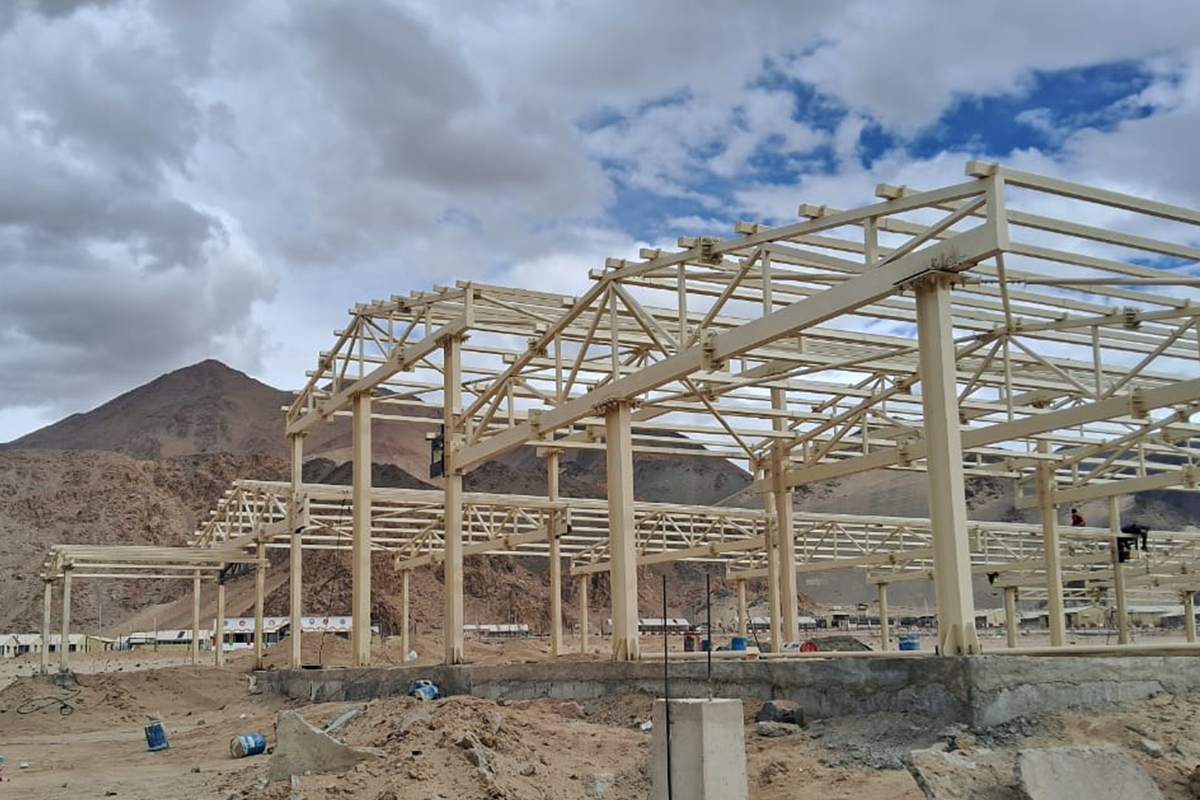
Primary steel frames, secondary members, and bracing
-
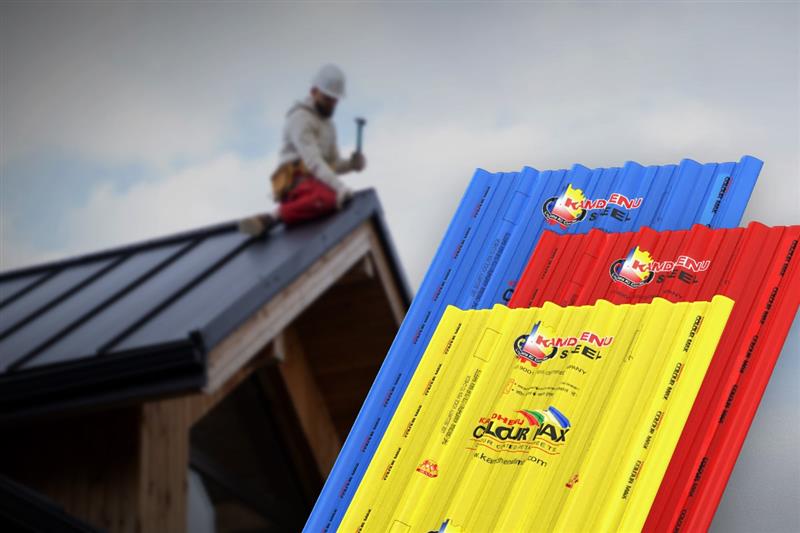
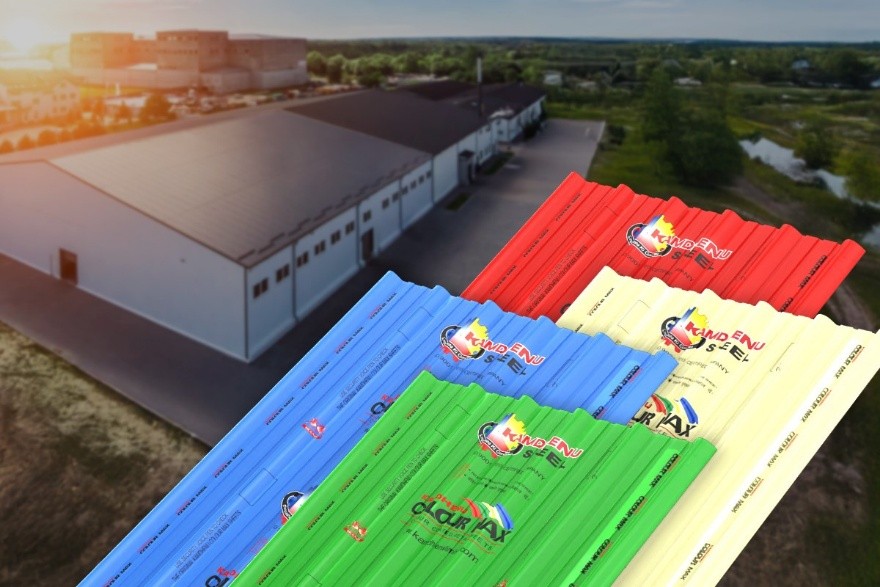
Roof and wall cladding with colour-coated sheets
-
Fasteners, trims, gutters, and downpipes
-
Design, detailing, fabrication, and packing
-
Transport to the site and standard erection scope
-
Mezzanines, including beams, decking supports, and connections
Major cost heads in a PEB
-
Steel tonnage: The largest share. More span, higher wind loads, or crane beams increase weight.
-
Cladding and accessories: Roofing sheets, wall sheets, skylights, ridge vents, trims, and gutters.
-
Fabrication and detailing: Shop drawings, cutting, welding, drilling, and quality checks.
-
Logistics and erection: Freight, cranes, installers, tools, and on-site supervision.
-
Civil and utilities: Foundations, plinth beams, flooring, drains, electrical, and plumbing, if in scope.
What drives the rate up or down?
-
Building size and bay spacing: Larger, simpler buildings cost less per sq ft due to scale. Standard bay spacing (for example, 6 to 8 meters) saves steel and labour.
-
Clear height and clear span: Taller structures and wider column-free spans raise steel consumption.
-
Location and access: Remote sites, narrow approach roads, or hilly terrain add transport and erection costs.
-
Wind and seismic design: Coastal wind zones and seismic belts can require heavier sections and more bracing.
-
Roof type and slope: Higher slopes shed water better but can add steel and sheet area.
-
Insulation and thermal comfort: Rock wool or PUF panels improve comfort and can cut AC bills but raise upfront cost.
-
Mezzanines and cranes: Both add load paths, columns, and connections that increase steel.
-
Finish level: Premium paints, special trims, and daylighting systems improve performance and look, but add cost.
How to compare quotes from different suppliers?
-
Match scope line by line: Confirm if quotes include design, sheeting, accessories, transport, and erection.
-
Check steel weight and grade: Lower price with higher tonnage is not a saving. Ask for the estimated kg per sq ft and section lists.
-
Verify sheet specs: Confirm base metal thickness, coating type, and paint system. Light sheets have a lower cost but reduce life.
-
Confirm the erection plan: Crew size, crane plan, and timeline affect real cost and risk.
-
Payment and warranty terms: Reasonable stage payments and clear product warranties reduce risk.
Savings that do not hurt quality
-
Keep to standard bay spacing and simple geometry. Avoid unnecessary curves and angles.
-
Optimise the clear span to reduce heavy rafters. Use planned columns where acceptable.
-
Choose reliable but standard cladding profiles and colours. Avoid custom sizes that slow production.
-
Plan openings and mezzanines early. Late changes inflate rework cost.
-
Order skylights and vents sensibly. Place them where they deliver comfort without overuse.
What to check at delivery?
-
Member list: Count primary and secondary members against the packing list.
-
Coatings and edges: Look for transport scratches. Touch up before erection.
-
Fasteners and seals: Confirm grades and quantities. Keep spares handy.
-
Drawings and revisions: Work only with the latest issue to avoid mistakes.
-
Handling plan: Use slings and spreaders. Store off the ground and under cover.
Money matters: total cost, not just steel rate
A low per kg steel price can still yield a high per sq. ft building if the design is inefficient or the erection is slow. The best value comes from optimised steel weight, standard modules, reliable accessories, and a disciplined on-site team. A good project also protects the schedule, which saves rent, interest, and lost revenue.
Role of the right partners
Experienced engineers and trusted PEB Manufacturers reduce waste through better detailing and fewer site fixes. If coated sheets are needed, align early on profile, thickness, and colour. Brands associated with consistent coated steel supply and dependable TMT or wire products, such as Kamdhenu through its network, help maintain quality continuity across the envelope and structure.
Quick comparison table for planning
|
Cost head |
What influences it |
How to keep it in control |
|
Steel tonnage |
Span, height, wind, crane loads |
Standard bay spacing, avoid over-design |
|
Cladding |
Sheet thickness, coating, accessories |
Pick proven profiles, right thickness |
|
Fabrication |
Detailing clarity, shop efficiency |
Lock drawings early, avoid late changes |
|
Logistics |
Distance, access roads, crane needs |
Plan deliveries, choose reachable sites |
|
Erection |
Crew skill, sequence, weather |
Clear method statement, trained team |
|
Civil works |
Soil, foundation size, finishes |
Soil test early, optimize foundations |
|
Insulation |
Material type and thickness |
Use where it pays back in comfort |
|
Contingencies |
Design changes, delays |
Freeze scope early, weekly reviews |
FAQs
-
What is usually included in a PEB quote?
-
Structure, cladding, accessories, design, and often transport and erection. Civil and interiors are usually extra.
-
Why do two vendors give very different rates?
-
Scope, steel weight, sheet specs, and erection plan may differ. Match them before comparing.
-
Are insulated roofs worth it?
-
In hot regions, yes. They improve comfort and can reduce AC bills.
-
How long does a typical shed take?
-
For a standard warehouse, a few weeks for fabrication and a few more for erection, if drawings and access are ready.
A step-by-step buying guide
-
Define use: Storage, manufacturing, cold chain, or mixed use.
-
Freeze size: Length, width, clear height, and planned bays.
-
Decide span strategy: Accept columns if they save a lot of steel.
-
Select envelope: Sheet profile, thickness, coating, and insulation.
-
Share loads: Wind zone, seismic details, crane loads, mezzanine plan.
-
Seek three quotes: From reputable PEB Structure Manufacturers with a similar scope.
-
Review drawings: Approve general arrangement and connection details before production.
-
Plan erection: Crane access, sequence, and safety. Fix a single point of site coordination.
Conclusion
A clear PEB cost picture comes from scope clarity, efficient design, and firm on-site control. Compare vendors on total delivered scope, optimised steel weight, and realistic timelines, not just headline rates.
Work with dependable PEB Manufacturers who share drawings on time, supply consistent cladding, and commit to safe, fast erection. Bring in trusted steel brands where possible for steady quality.
With these steps, a PEB project stays on budget, finishes faster, and serves well for years.
FAQs: PEB Structure Cost Breakdown in India
1. What are the main components included in the cost of a PEB structure?
The total cost typically includes steel structure material, fabrication, erection, roofing & cladding, fasteners, transport, and site preparation.
2. How is PEB cost calculated per square foot in India?
Cost per square foot depends on design specifications, steel tonnage, height, roof slope, purlin/rafter spacing, and finishes, so it varies by project requirements.
3. Do PEB structure costs vary by city or region in India?
Yes — prices differ due to transportation costs, labour rates, local market rates for steel, and logistical factors in different regions.
4. What factors increase the overall cost of a PEB building?
Higher project costs can result from greater building height, heavy roof loads, complex architectural design, premium insulation, and additional accessories (like skylights or cranes).
5. Does insulation affect the cost of a PEB structure?
Yes — including insulated panels (like PIR/PUF) increases upfront cost but improves energy efficiency and long-term savings.
6. Are foundation costs part of the PEB structure estimate?
Foundation costs are usually calculated separately, but they significantly contribute to the total project outlay, especially for heavy or high-load buildings.
7. How does sheet thickness impact PEB pricing?
Thicker roofing and wall sheets are more durable but cost more. The choice depends on load requirements, weather conditions, and insulation needs.
8. What is the typical cost difference between a normal PEB and an insulated PEB building?
An insulated PEB is more expensive due to added layers, but it offers better thermal performance and comfort, especially for warehouses, industrial units, and offices.
9. Do labour and erection charges vary across projects?
Yes — labour charges depend on site accessibility, crew availability, project size, and local wage levels.
10. Is there a standard price range for PEB buildings in India?
There isn’t a single fixed rate — costs fluctuate based on steel prices, design specs, location, and additional features, but estimating ranges helps in budgeting.