 November 14 2025
What is Katila Tar? Uses and Benefits in Construction
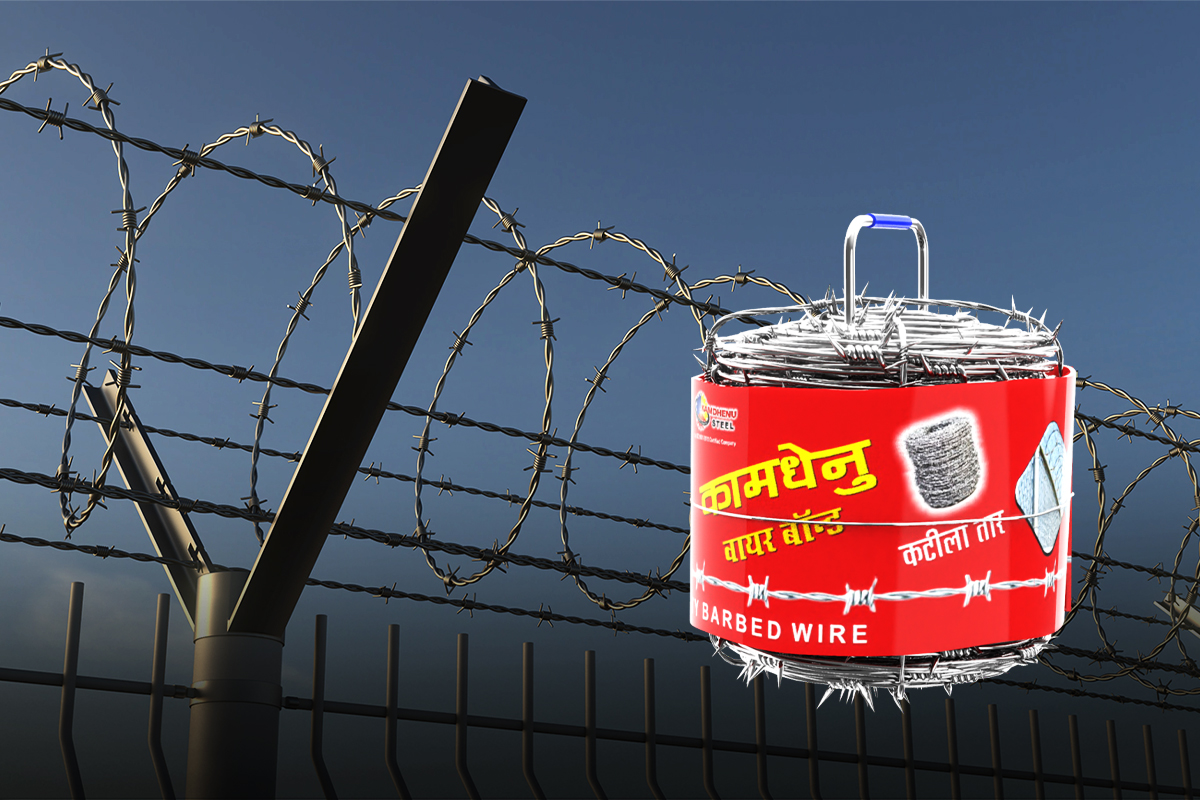
Site security and boundary control are often urgent needs on Indian projects. A simple, tough solution is barbed wire, commonly called Katila Tar. It is quick to install, cost‑effective, and works for farms, construction sites, and industrial plots.
This guide explains what Katila Tar is, where it fits, how to choose the right spec, and what to check on delivery. We will keep it practical and people‑first.
Kamdhenu can be kept on your shortlist for allied steel products and reliable dealer networks when availability and steady quality matter.
What is Katila Tar in simple words?
Katila Tar is barbed wire made from steel wire strands with sharp barbs twisted at set gaps. The core strands carry strength. The barbs act as a physical and visual deterrent. Rolls are lightweight, easy to move, and fast to fix on posts or walls.
Top use cases people search for
-
Construction site perimeter to protect materials and equipment during the build period.
-
Farm and orchard boundaries to keep animals out and reduce trespassing.
-
Factory and warehouse edges as a topper above brick or chain‑link fencing.
-
Vacant plots and parking yards for quick, budget‑friendly security.
Key benefits that matter on-site
-
Fast setup: Two installers, basic tools, and standard posts are enough for quick coverage.
-
Cost control: Lower upfront cost than high walls or electric fencing. Easy to extend later.
-
Low maintenance: Periodic tension checks and minor rust touch‑ups keep it serviceable.
-
Deterrence: Barbs discourage climbing and cutting, especially when combined with height and visibility.
Types of Katila Tar you will find
-
Plain galvanised barbed wire: Most common; zinc coat helps resist rust in regular weather.
-
Heavy‑coated galvanised: Thicker zinc for longer life in wet or coastal conditions.
-
PVC‑coated barbed wire: Colour finish with added protection and visibility; useful near public areas.
Choosing the right specification
-
Core wire diameter: A Thicker core gives higher strength and better tension over long spans.
-
Barb spacing: Closer barb gaps increase deterrence; standard spacing works for most sites.
-
Coating: Galvanised for general use; heavier zinc or PVC coat for coastal or industrial fumes.
-
Roll length and weight: Pick standard rolls that your team can carry and install safely.
What to check at delivery
-
Labels and roll count: Confirm gauge, barb spacing, coating type, and roll length against the PO.
-
Barb quality: Barbs should be sharp, evenly formed, and tightly locked on the strand.
-
Twist and tension: Uniform twist without loose sections; no kinks or broken barbs in the roll.
-
Coating condition: Zinc or PVC should be continuous with no flaking or deep scratches.
Installation basics that prevent headaches
-
Post selection: RCC, steel, or well‑cured wooden posts fixed firmly in concrete footings.
-
Spacing: Closer post spacing on corners, turns, and slopes to keep lines tight.
-
Height and lines: Use multiple horizontal lines; add an angled top arm for extra deterrence.
-
Tensioning: Start from a fixed end, tension in stages, and re‑check after a day as the line settles.
-
Safety: Gloves and eye protection; handle coils carefully to avoid cuts.
Money matters: total cost, not just wire rate
-
Add posts, concrete, straining wires, turnbuckles, clips, and labour in your budget.
-
For short‑term sites, pick a practical spec that meets security needs without overbuilding.
-
For long‑term boundaries, invest in heavier coating and stronger posts to lower upkeep.
Where Katila Tar works best vs alternatives
-
Katila Tar vs chain‑link: Faster and cheaper to secure perimeters; chain‑link is better where visual screening or pet safety matters.
-
Katila Tar vs brick wall topper: As a topper, it adds deterrence without major structural work.
-
Katila Tar vs razor wire: Razor wire is more aggressive; choose it for high‑risk sites with proper permissions and safety clearances.
Simple maintenance plan
-
Quarterly walk‑through: Check tension, post plumb, and any sag at corners.
-
Immediate fixes: Replace damaged barbs or sections; re‑tie loose ends.
-
Coating care: Touch up cut or scratched spots to slow rust.
Quick comparison table for choices
|
Selection factor |
Standard Galvanised Katila Tar |
Heavy‑Coat/PVC Katila Tar |
|
Weather resistance |
Good for typical inland sites |
Better for coastal or damp zones |
|
Visibility and finish |
Metallic silver, industrial look |
Coloured finish, higher visibility |
|
Upfront cost |
Usually lower |
Slightly higher |
|
Best use |
Construction sites, farms, plots |
Public‑facing edges, coastal/industrial areas |
What to ask suppliers before ordering
-
Spec confirmation in writing: core wire gauge, barb spacing, coating type, roll length.
-
Hardware list: turnbuckles, clips, line wire, and compatible posts available ex‑stock.
-
Lead time and replacements: Quick swaps reduce site delays if a roll arrives damaged.
-
Basic guidance: Post spacing and tension method statement for your site conditions.
How Kamdhenu fits your shortlist?
Kamdhenu’s network is known for steady availability across steel categories. Aligning boundary materials with a known brand family can simplify ordering, documentation, and urgent top‑ups during the project.
If you are already sourcing structural steel or sheets through Kamdhenu’s dealers, adding Katila Tar and accessories to the same channel can streamline logistics.
FAQs in simple words
-
Is Katila Tar legal for residential boundaries?
-
Check local rules and society by‑laws. Use clear signage and keep barbs above safe height.
-
Will barbed wire rust quickly in coastal areas?
-
Choose heavier galvanising or PVC‑coated wire and plan periodic washing during salt months.
-
Can I install it on top of a compound wall?
-
Yes. Use steel brackets or angle arms, fix with anchors, and tension the wire safely.
-
How many lines do I need for a small plot?
-
Often, three to five lines at the top are enough with an angled arm. High‑risk sites may need more.
Conclusion
Katila Tar is a quick, budget‑friendly way to secure construction sites, farms, and industrial plots. Pick the right gauge, barb spacing, and coating for your weather and risk level. Check rolls on delivery, set posts well, and tension in stages for a clean, tight line. Maintain with simple quarterly checks and immediate touch‑ups where needed.
Keep Kamdhenu in your shortlist if you want a steady supply and coordinated accessories through a reliable dealer network. With these steps, your boundary will stay neat, effective, and low‑maintenance for years.