 October 01 2025
The Future of Construction: Pre-Engineered Buildings
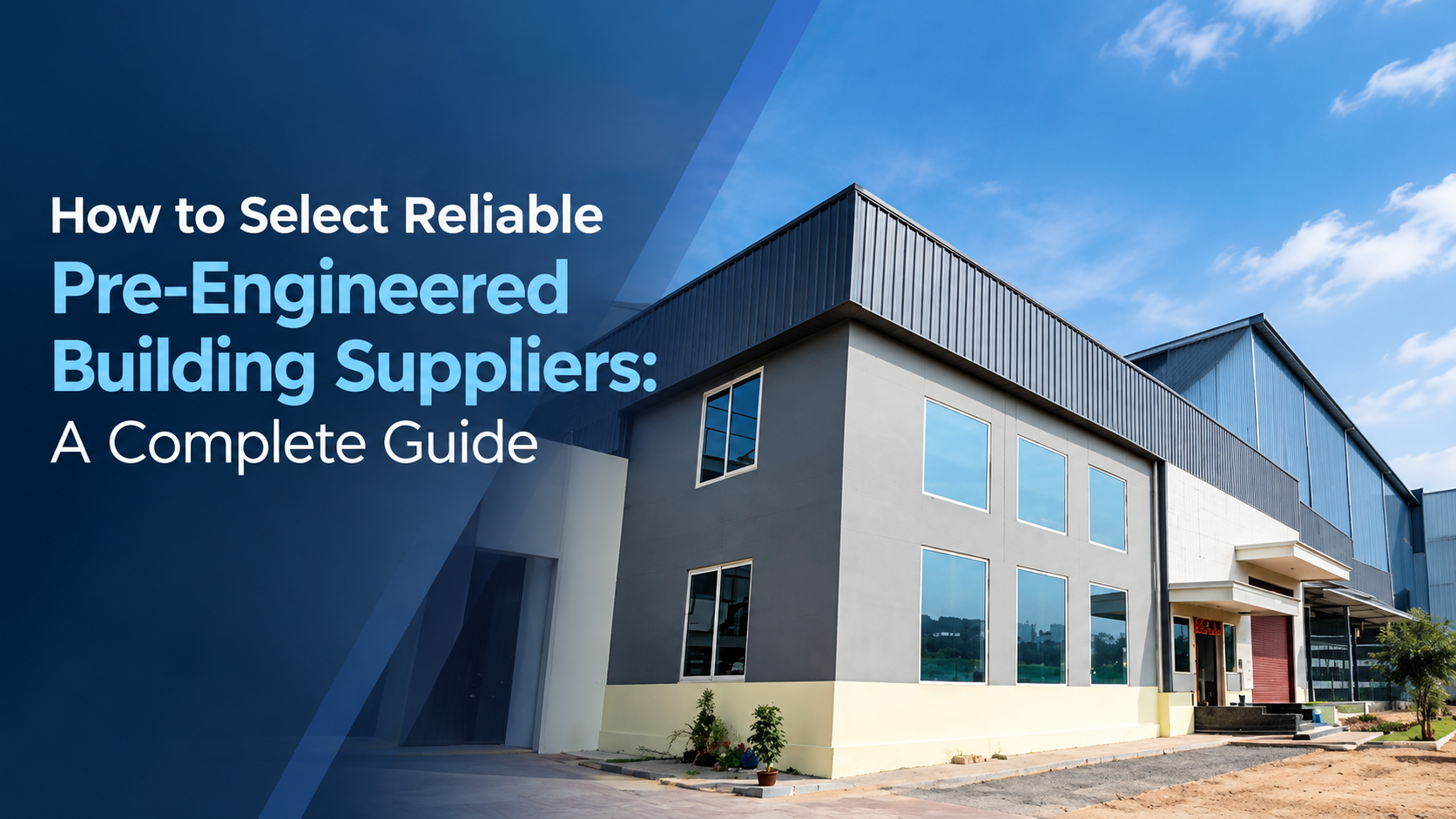
In the dynamic world of construction, the demand for efficient, sustainable, and cost-effective solutions has never been higher. One of the most innovative advancements in this field is the advent of Pre-Engineered Buildings (PEBs). These prefabricated structures, also known as pre-manufactured buildings, modular buildings, or prefab structures, are revolutionising the construction industry, offering a plethora of benefits that traditional construction methods simply cannot match. In this blog, we will delve into the concept of pre-engineered buildings, explore their advantages, and examine their wide range of applications.
What Are Pre-Engineered Buildings?
Pre-engineered buildings (PEBs) are structures built using prefabricated components, sometimes referred to as modular construction systems. These components are designed and manufactured in a factory setting and then transported to the construction site for assembly. The primary framework of a PEB is typically made from steel, and the design is tailored to meet specific project requirements. The use of computer-aided design (CAD) & STAAD.Pro technology allows for customised designs that can accommodate various architectural styles and functional requirements, ensuring that each building is optimised for its intended use.
Advantages of Pre-Engineered Buildings
The benefits of pre-engineered buildings are numerous, making them an attractive option for various construction projects. Here are some of the key advantages:
- Cost-Effectiveness: One of the most significant advantages of pre-engineered buildings, or prefab buildings, is their cost-effectiveness. The prefabrication process allows for mass production of components, reducing material costs. Additionally, the construction timeline is significantly shorter, which translates to lower labour costs and faster project completion.
- Speed of Construction: PEBs, also known as modular buildings, can be erected in a fraction of the time it takes to build traditional structures. Since the components are manufactured off-site and only need to be assembled on-site, construction delays due to weather and other factors are minimised.
- Design Flexibility: Pre-engineered buildings offer a high degree of design flexibility. The use of computer-aided design (CAD) & STAAD.Pro technology allows for customised designs that can accommodate various architectural styles and functional requirements. Whether it’s a warehouse, office building, or retail space, PEBs, or pre-manufactured buildings, can be tailored to meet specific needs.
- Durability and Low Maintenance: PEBs, also known as prefab structures, are constructed using high-quality materials that are designed to withstand harsh environmental conditions. Steel, the primary material used in PEBs, is resistant to pests, fire, and extreme weather, ensuring a long lifespan and reduced maintenance costs.
- Energy Efficiency: Pre-engineered buildings are often designed with energy efficiency in mind. The use of insulated panels, reflective roofing, and other energy-saving features helps reduce heating and cooling costs, contributing to a more sustainable and environmentally friendly structure.
- Scalability: PEBs, or modular construction systems, are highly scalable, making them ideal for projects that may require future expansion. The modular nature of these structures allows for easy addition of new sections without disrupting the existing building.
- Environmental Sustainability: The prefabrication process generates less waste compared to traditional construction methods. Additionally, the materials used in PEBs, such as steel, are recyclable, making these structures an eco-friendly choice.
Applications of Pre-Engineered Buildings
Pre-engineered buildings are incredibly versatile and can be used in a wide range of applications. Here are some common uses:
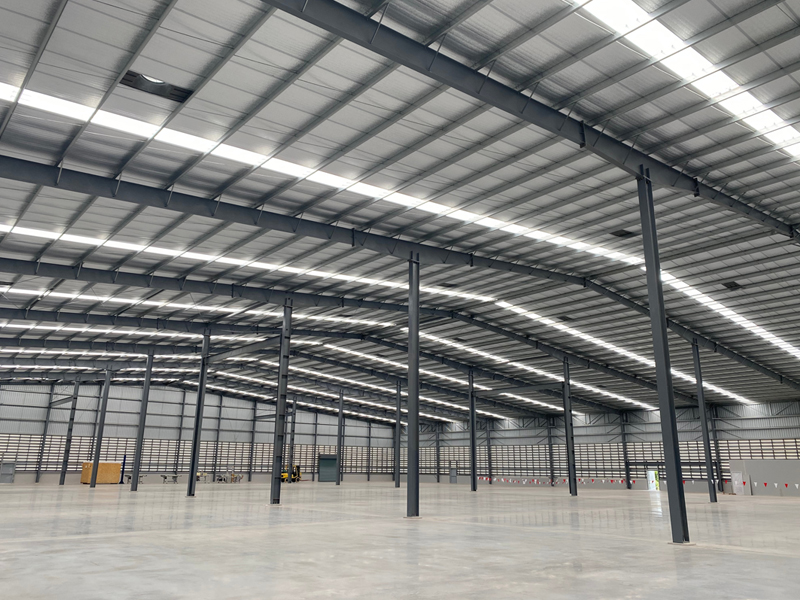
- Industrial Buildings: PEBs, or pre-manufactured buildings, are widely used in industrial settings, such as factories, warehouses, and distribution centres. Their durability, large clear-span spaces, and cost-effectiveness make them ideal for these purposes.
- Commercial Buildings: Many commercial establishments, including shopping malls, office buildings, and retail stores, are opting for pre-engineered building structures. The flexibility in design allows these buildings to be tailored to specific business needs and aesthetics.
- Agricultural Buildings: PEBs, also known as modular buildings, are popular in the agricultural sector, where they are used for storage facilities, barns, and processing plants. The robustness and scalability of PEBs make them suitable for handling large equipment and storing crops.
- Residential Buildings: While less common, pre-engineered buildings, or prefab structures, are gaining traction in residential construction. Prefabricated homes offer a modern, efficient, and cost-effective alternative to traditional houses.
- Recreational Facilities: Sports complexes, gyms, and community centres are increasingly being constructed using PEBs. The ability to create large, open spaces without internal columns is a significant advantage for these types of buildings.
- Institutional Buildings: Schools, hospitals, and government buildings can benefit from the quick construction and adaptability of pre-engineered buildings. These structures can be designed to meet specific functional requirements, such as classrooms, laboratories, and patient care areas.
- Infrastructure Projects: PEBs are also used in infrastructure projects, including airports, railway stations, and bus terminals. The speed of construction and durability of these structures are particularly beneficial in these high-traffic areas.
Conclusion
Pre-engineered buildings represent a significant leap forward in the construction industry. Their numerous advantages, including cost-effectiveness, speed of construction, design flexibility, and sustainability, make them an ideal choice for a wide range of applications. As the demand for efficient and innovative building solutions continues to grow, pre-engineered buildings, also known as prefab structures, are poised to play a pivotal role in shaping the future of construction.
For those considering a new construction project, partnering with reputable PEB manufacturers can ensure that your building meets the highest standards of quality and performance. With the ability to tailor designs to specific needs and the assurance of quick and efficient construction, pre-engineered buildings, or modular construction systems, offer a compelling solution for modern construction challenges.
In summary, whether you're looking to build an industrial warehouse, a commercial office space, or even a residential home, pre-engineered building structures provide a versatile, reliable, and sustainable option that can meet and exceed your expectations. Embrace the future of construction with pre-engineered buildings and experience the myriad benefits they offer.
Frequently Asked Questions (FAQs) About Pre-Engineered Buildings (PEBs)
1. What are Pre-Engineered Buildings (PEBs)?
Pre-Engineered Buildings (PEBs) are structures made using prefabricated steel components that are designed and manufactured in factories and then assembled at the construction site. These buildings are engineered using advanced design tools to ensure strength, efficiency, and faster construction.
2. How are Pre-Engineered Buildings different from traditional construction?
Unlike traditional construction, where materials are built entirely on-site, PEBs use factory-made components that are assembled on-site. This process reduces construction time, lowers costs, and ensures better quality control.
3. What materials are commonly used in Pre-Engineered Buildings?
The primary material used in PEBs is structural steel. Steel provides high strength, durability, and flexibility, making it ideal for large-span buildings and industrial structures.
4. What are the main advantages of Pre-Engineered Buildings?
Some major benefits of PEBs include:
-
Faster construction time
-
Lower construction and labor costs
-
Flexible and customizable designs
-
High durability and low maintenance
-
Energy efficiency
-
Reduced construction waste
5. Why are Pre-Engineered Buildings considered cost-effective?
PEBs reduce material wastage and labor requirements because most components are manufactured in controlled factory environments. The faster construction timeline also helps reduce overall project costs.
6. How long does it take to construct a Pre-Engineered Building?
PEBs can typically be completed much faster than conventional buildings because the structural components are pre-fabricated. Assembly on-site may take only a few weeks depending on the project size.
7. Are Pre-Engineered Buildings durable?
Yes. PEBs are highly durable because they are made from high-quality steel that can withstand harsh weather conditions, fire, pests, and corrosion when properly treated.
8. Are Pre-Engineered Buildings environmentally friendly?
Yes. PEBs are considered sustainable because steel components are recyclable and the prefabrication process reduces construction waste and energy consumption.
9. What are the common applications of Pre-Engineered Buildings?
PEBs are widely used for:
-
Warehouses and industrial facilities
-
Factories and manufacturing plants
-
Commercial buildings and retail stores
-
Agricultural buildings
-
Sports complexes and recreational facilities
-
Schools, hospitals, and institutional buildings
-
Airports and transportation terminals
10. Can Pre-Engineered Buildings be expanded in the future?
Yes. One of the biggest advantages of PEBs is scalability. Additional sections can be added easily without disturbing the existing structure, making them ideal for businesses planning future expansion.
11. Are Pre-Engineered Buildings suitable for residential construction?
While traditionally used for industrial and commercial projects, PEBs are increasingly being used for modern residential buildings due to their cost efficiency, quick construction, and design flexibility.
12. What technologies are used in designing Pre-Engineered Buildings?
Advanced design software such as Computer-Aided Design (CAD) and STAAD.Pro are commonly used to design PEB structures. These tools help engineers create optimized, safe, and efficient building designs.
13. Why are Pre-Engineered Buildings considered the future of construction?
PEBs combine efficiency, sustainability, and innovation. Their faster construction time, lower costs, flexibility, and eco-friendly approach make them a preferred solution for modern infrastructure and construction projects.
Read More: Pre-Engineered Buildings: Cost, Benefits & Applications