 January 22 2026
Pre-Engineered Buildings: Cost, Benefits & Applications
Introduction to Pre-Engineered Buildings
Pre-engineered buildings are reshaping modern construction practices. They offer speed, precision, and predictable project outcomes. Industries now demand faster execution without compromising quality.
This is where pre engineered buildings deliver clear advantages.
Decision-makers today focus on efficiency and lifecycle value. Traditional construction often struggles to meet these expectations. Pre-engineered steel structures address these challenges directly.
What Are Pre-Engineered Buildings?
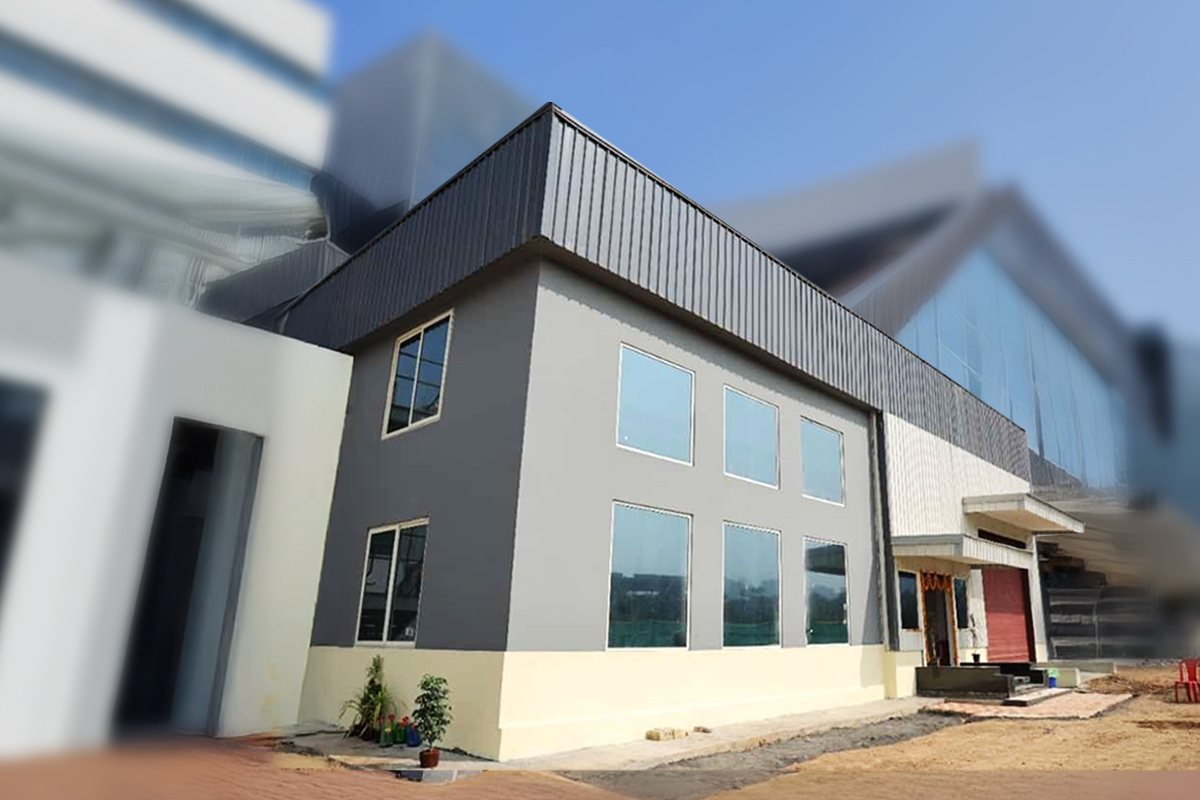
Pre-engineered buildings, commonly called PEBs, are factory-designed structures. All components are engineered, fabricated, and quality-checked off-site.
They are then transported and assembled at the project location.
This controlled process improves accuracy and structural consistency. Design parameters are finalized before fabrication begins. This reduces site-level improvisation and execution delays.
Leading PEB manufacturers follow strict engineering standards. They use high-grade structural steel and precision fabrication methods. Kamdhenu’s steel solutions support such engineered construction systems.
Why Pre-Engineered Buildings Are Gaining Preference
- Speed remains a primary driver for PEB adoption. Factory fabrication runs parallel with site preparation work. This compresses overall project timelines significantly.
- Cost certainty is another major advantage. Material quantities are optimized during the design stage. This minimizes wastage and unplanned expenses later.
- Quality control improves through factory-based manufacturing. Each component undergoes dimensional and strength checks. This consistency is difficult to achieve with conventional methods.
Understanding PEB Building Cost Structure
PEB building cost depends on several project-specific factors.
- Span length, height, and load requirements play a major role.
- Roofing type and cladding specifications also impact pricing.
- Steel grade selection affects both strength and cost efficiency. Higher-grade steel allows lighter sections with equal performance. This often reduces total steel tonnage used.
- Foundation costs are generally lower for PEB structures. Reduced dead load means smaller footing requirements. This further improves overall project economics.
- Reliable PEB manufacturers provide detailed cost breakups. This transparency helps buyers make informed decisions early.
Cost Comparison with Conventional Construction
Traditional construction involves multiple trades and sequencing delays.
- Material wastage remains difficult to control on-site. Project timelines often extend beyond initial estimates. Pre-engineered buildings reduce these inefficiencies.
- Fabrication accuracy minimizes rework and material loss. Erection processes follow standardized procedures. Over the project lifecycle, PEBs show better cost performance.
- Maintenance requirements are also lower with proper coatings. This improves long-term operational value.
Key Benefits of Pre-Engineered Buildings
- Structural reliability is a core advantage of PEB systems. Designs account for wind, seismic, and live load conditions. Engineering calculations follow relevant IS codes and standards.
- Flexibility in design allows future expansion. Additional bays can be added with minimal disruption. This suits growing industrial operations.
- Aesthetic options have also improved significantly. Modern PEBs support architectural cladding and façade treatments. This makes them suitable beyond purely industrial use.
- Sustainability is another important benefit. Optimized steel usage reduces overall material consumption. Steel is also recyclable, supporting circular construction practices.
Industrial Shed Construction Using PEB Systems
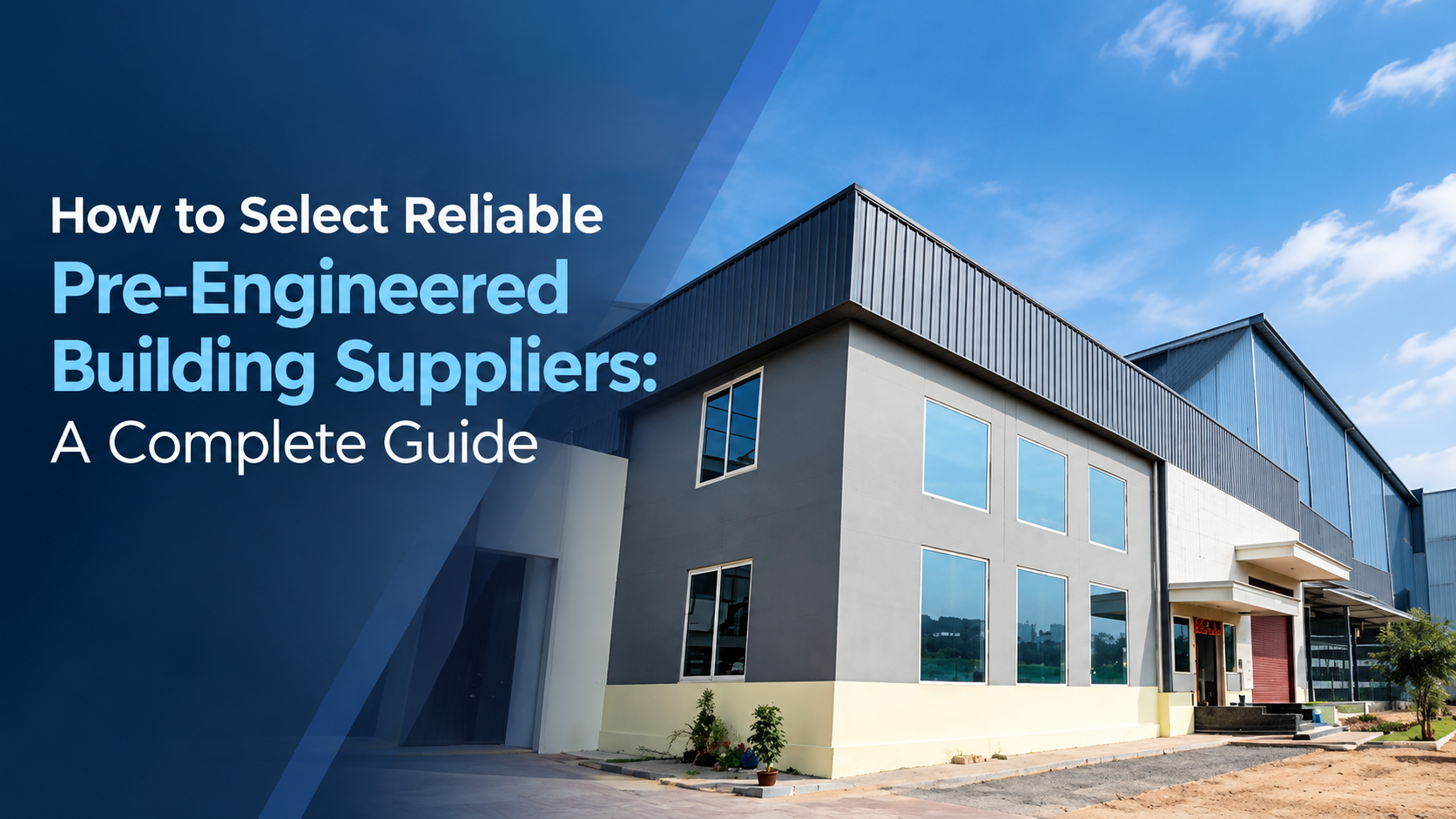
Industrial shed construction is one of the largest PEB applications. Manufacturing units require large, column-free working spaces. PEBs achieve this efficiently through optimized structural frames.
Erection speed reduces downtime for business operations. Faster completion allows earlier production commencement. This directly impacts revenue timelines.
Kamdhenu’s structural steel products support such applications. High-strength steel ensures long spans and load-bearing efficiency. This is critical for cranes and heavy equipment installations.
Applications Across Multiple Sectors
Warehousing and logistics facilities widely use PEB structures. They require quick deployment and scalable designs. PEBs meet both requirements effectively.
Commercial buildings, like showrooms and workshops, also adopt PEBs. They benefit from faster construction and controlled costs. Design flexibility supports branding and functional layouts.
Agricultural storage and cold storage facilities use PEB systems. Controlled environments demand precise structural planning. Factory-built components ensure consistent performance.
Infrastructure support buildings also use pre-engineered solutions. These include substations, shelters, and utility structures.
Choosing the Right PEB Manufacturer
Selecting the right PEB manufacturer is critical.
- Engineering capability matters more than just fabrication capacity.
- Design accuracy determines long-term structural performance.
- Look for manufacturers with strong steel sourcing standards. Consistent steel quality ensures predictable behavior under loads.
- Kamdhenu’s steel products align with such requirements. Evaluate past project experience and execution capability.
- Manufacturers should provide clear drawings and timelines.
- After-sales support also matters for long-term value.
Compliance and Quality Standards in PEB Projects
PEB structures must comply with Indian Standards. These include IS codes for steel design and fabrication. Quality documentation should be part of every project.
Material test certificates must accompany steel components. Fabrication tolerances should follow defined limits. Erection procedures must align with approved drawings.
Professional buyers insist on these compliance checks. They reduce risks during audits and inspections.
Long-Term Value of Pre-Engineered Buildings
Pre-engineered buildings offer predictable lifecycle performance. They require less structural maintenance over time. Protective coatings extend service life in harsh environments.
Future modifications are easier with modular designs. This supports evolving business needs without major reconstruction. Such flexibility adds strategic value to the investment.
For commercial buyers, this translates into measurable returns. Lower downtime and maintenance improve operational efficiency.
Final Thoughts on Investing in Pre-Engineered Buildings
Pre engineered buildings combine engineering precision with cost control. They address modern construction demands effectively. Speed, quality, and scalability remain their strongest advantages.
Understanding PEB building cost helps inform decision-making. Choosing experienced PEB manufacturers ensures reliable outcomes. Industrial shed construction benefits significantly from this approach.
For businesses seeking efficient infrastructure, PEBs make sense. They represent a practical evolution in steel-based construction.