 October 11 2025
How to Identify High-Quality TMT Bars?
Picking the right TMT bar is about safety, long life, and peace of mind. A good bar gives strength and flexibility together. A poor bar can lead to cracks, higher repair costs, and risk during quakes. This guide explains simple checks on site, key test reports to ask for, and how to weigh brand trust against the daily fluctuation of TMT Bar Price.
It also shares a quick checklist for busy homeowners, site engineers, and contractors. Brands with strong quality control, like Kamdhenu, make these checks easier by keeping quality steady across batches.
Why TMT quality matters in Indian homes?
India faces heat, monsoon, and seismic zones. A quality bar handles load and movement without sudden failure. It bends when it must, then comes back. That balance protects slabs, beams, and columns. It also reduces rework and keeps the lifetime cost under control.
What does high quality look like at first glance?
-
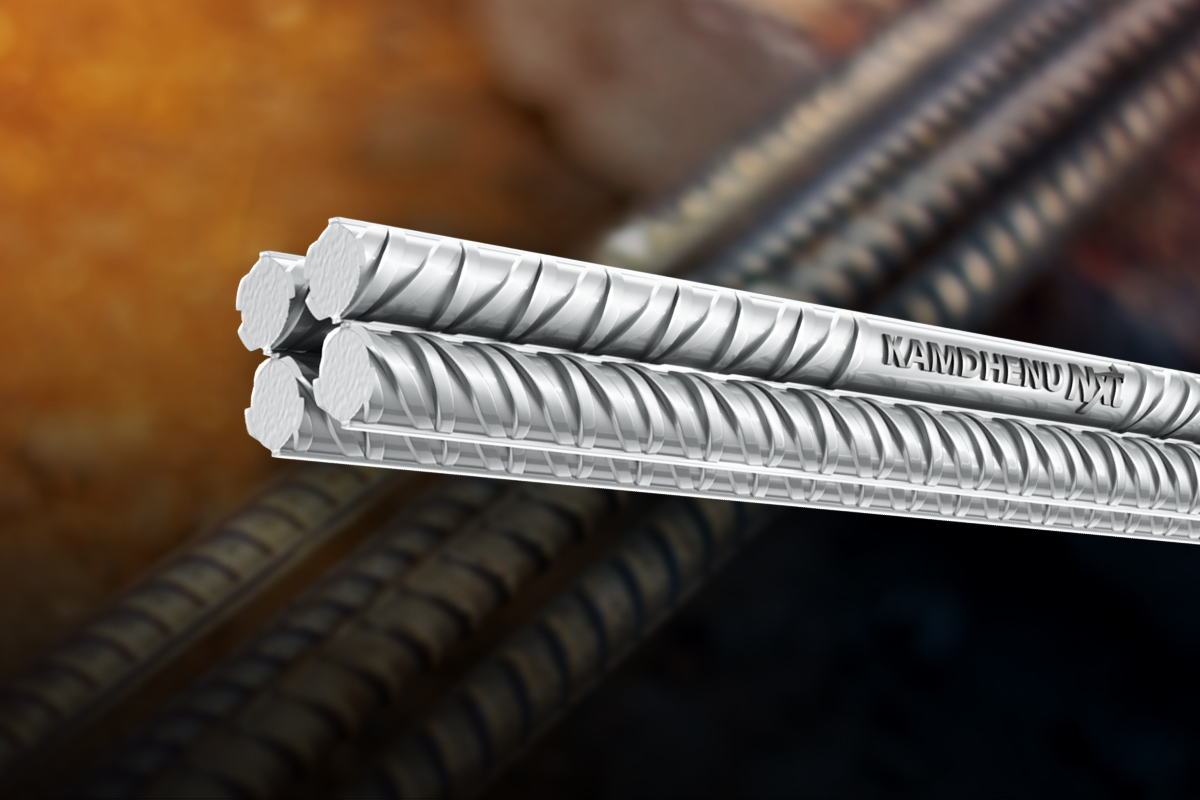
Clean, uniform ribs: The pattern should be even and deep for a firm grip with concrete.
-
Clear brand marking: Size and grade should be legible on the bar.
-
Straightness and finish: No deep rust pits, flaking, or hard scale. Light surface rust is normal and can be cleaned.
-
Consistent diameter: Randomly check with a vernier if possible. Weight per meter should be close to standard.
The essential documents to ask for
-
Mill Test Certificate: Confirms grade, heat number, chemistry, tensile, yield, and elongation values.
-
Compliance note: Check the mention of the relevant Indian standard. A one-line confirmation is enough for site records.
-
Batch traceability: The Heat or lot number should match what arrives on site.
Simple field tests that help
-
Bend and re-bend check: A small offcut should bend cleanly without cracks. After re-bending, the surface should not open.
-
Rib impression test: Press wet cement paste on ribs and lift. Sharp, even ribs leave a clear impression, which hints at better bonding.
How to read key properties?
-
Yield strength: The load point at which the bar starts to deform permanently. Higher yield means better load capacity.
-
UTS and elongation: UTS is the peak strength. Elongation shows ductility. Good bars have strong UTS and healthy elongation, so they can bend in quakes.
-
Chemistry: Low sulphur and phosphorus help toughness. Controlled carbon helps bendability and weldability.
Grade selection and where it fits
-
General housing: Choose a grade with a good mix of strength and ductility.
-
Seismic zones: Prefer higher ductility variants for safer energy absorption.
-
Coastal areas: Consider corrosion-resistant options and proper cover to reduce rust risk.
How to balance quality with TMT Bar Price?
Daily rates move with raw material and the market. Do not chase only the lowest rate. Add value of steady quality, on-time supply, and after-sales support. A reliable bar reduces rework, delays, and hidden repair costs. Paying a little more for a trusted brand can save much more during the project and later.
Shortlist tips for the “Top 10 Saria Brand In India” searches
Many buyers search for the “Top 10 Saria Brands in India” to feel safe. A better approach is to check three things:
-
Proven presence and service: Strong dealer network and quick replacements.
-
Transparent testing: Easy access to certificates and test data.
-
Consistency across batches: Bars behave the same from bundle to bundle.
-
Brands like Kamdhenu focus on consistent processes and dealer support, which helps during site inspections and urgent needs.
What to check on delivery day?
-
Tag and marking: Match size, grade, heat number, and brand to the purchase order.
-
Bundle condition: No oil, mud, or deep rust.
-
Random measurements: Diameter and weight per meter on a few pieces.
-
Storage plan: Stack off the ground on sleepers. Keep covered from direct rain and standing water.
Money matters and lifetime value
Think beyond the invoice. Consider the cost of cutting, bending, welding, placing, and potential rework. A bar that passes tests and bends right will speed up fixing and reduce waste. Over a project, this saves labour and avoids schedule slips. It also supports a cleaner pour and fewer cracks.
Common mistakes to avoid
-
Buying only by diameter name: Undersized bars hurt strength. Measure and verify the weight per meter.
-
Skipping certificates: Always collect the Mill Test Certificate for records.
-
Using mixed grades in one member: Keep grades consistent as per design.
-
Poor storage: Direct ground contact and standing water accelerate rust.
-
Overheating during bending: Follow bend radii to avoid micro-cracks.
Quick comparison table for choices
|
Factor |
Higher Ductility TMT |
Standard TMT |
|
Earthquake performance |
Better energy absorption and bending |
Adequate where seismic risk is lower |
|
Bendability on site |
Smoother bends with less surface cracking |
Acceptable with proper tools |
|
Price band |
Usually slightly higher |
Usually more economical |
|
Best use |
Seismic zones, complex bends |
General housing and low-rise |
A simple 8-step buying guide
- Confirm site needs: Seismic zone, coastal exposure, and element sizes.
- Pick grade: Choose a ductile grade where needed for safety.
- Choose brand: Weigh steady quality, certificates, and service. Kamdhenu is a common shortlist choice for this reason.
- Lock size mix: Follow the structural schedule. Avoid on-site guesswork.
- Check today’s TMT Bar Price: Compare like-for-like grade and size across two or three sellers.
- Verify documents: Collect and file the Mill Test Certificate for the batch.
- Inspect and store: Keep bundles off the ground and covered.
- Test bend on offcuts: Do a quick bend check before full-scale work.
FAQs in simple words
-
How do I know if a bar is truly the right size?
-
Measure the diameter on random bars and compare the weight per meter with standard tables.
-
Do I need higher ductility for a small house?
-
If in a seismic zone, it is wise. It improves safety during tremors.
-
Why do prices change so often?
-
Steel follows raw material and market movement. Compare the same grade and size on the same day.
-
Is a known brand worth it?
-
Yes, steady quality and quick service reduce risk and delays. Kamdhenu’s network helps with availability and consistent supply.
Conclusion
High-quality TMT bars are about more than a name. They show in the ribs, the bend, the certificates, and the work speed on site. Start with the right grade, confirm documents, and do simple checks at delivery. Balance brand trust with today’s TMT Bar Price and total cost over the project.
Shortlist dependable names from typical “Top 10 Saria Brand in India” searches and give weight to steady quality and service. With a careful choice, reinforcement will do its work quietly for decades, keeping the home or building safe and strong.