 June 21 2025
TMT Iron Rod: Complete Buying Guide, Grades & Prices (2026)
If you've ever stood at a steel dealer's shop staring at bundles of rods with codes like Fe 500, Fe 550D, or Fe 600 stamped on them, you already know how confusing buying a TMT iron rod can be. Most homeowners and even some contractors end up picking a brand based on advertisements rather than actual technical specifications — and that's a mistake that can cost you decades of structural safety.
This guide breaks down everything you actually need to know about TMT iron rods: what they are, how they're made, which grade suits your project, and how to avoid getting shortchanged by low-quality steel disguised as "premium" bars.
What Is a TMT Iron Rod?
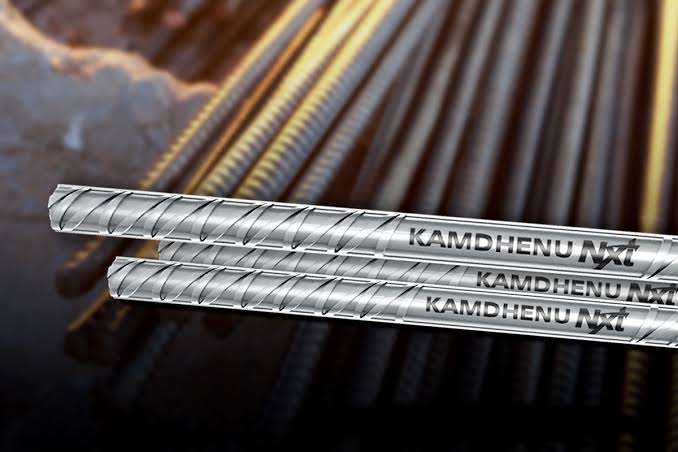
TMT stands for Thermo-Mechanically Treated steel. A TMT iron rod is a type of reinforcement bar (rebar) that goes through a special heat-treatment process during manufacturing, giving it a hard outer surface while keeping the core soft and ductile.
This dual structure is what makes TMT bars different from older reinforcement options like plain rods or twisted bars (commonly called "Tor Steel" in earlier decades). The hard outer layer gives the rod strength and resistance to corrosion, while the softer core allows it to bend and absorb shocks — for example, during an earthquake — without snapping.
In short, a TMT iron rod is the backbone of any concrete structure. It's embedded inside concrete columns, beams, slabs, and foundations to give them tensile strength, since concrete alone handles compression well but is weak under tension.
How TMT Bars Are Manufactured
Understanding the manufacturing process helps you judge quality when buying. The typical steps include:
- Melting and Casting – Raw materials (iron ore, scrap, or sponge iron) are melted in a furnace and cast into billets.
- Hot Rolling – Billets are rolled at high temperatures into long rods of the required diameter.
- Quenching – The rod passes through a rapid water-cooling system (Tempcore or similar technology) that hardens the outer surface almost instantly.
- Self-Tempering – The rod's still-hot core tempers the quenched outer layer, creating the tempered martensite rim.
- Atmospheric Cooling – The rod cools naturally on a cooling bed, forming a ferrite-pearlite core.
The result is a bar with three distinct zones — a tempered martensite rim, a transition zone, and a ferrite-pearlite core — each contributing to the rod's overall strength and flexibility. Poorly manufactured rods often skip proper quenching time, leaving them brittle or understrength despite looking identical on the outside.
Common Grades of TMT Iron Rods (and Which One You Need)
Grades are labeled as Fe followed by a number, which indicates the minimum yield strength in N/mm² (MPa). Here's a quick breakdown:
| Grade | Yield Strength | Best Used For |
|---|---|---|
| Fe 415 | 415 N/mm² | Older standard; rarely used in new construction now |
| Fe 500 | 500 N/mm² | General residential construction, low-rise buildings |
| Fe 500D | 500 N/mm² (higher ductility) | Earthquake-prone zones, residential + commercial buildings |
| Fe 550 | 550 N/mm² | High-rise buildings, bridges |
| Fe 550D | 550 N/mm² (higher ductility) | High-rise + seismic zones, large infrastructure projects |
| Fe 600 | 600 N/mm² | Heavy industrial structures, large infrastructure |
For most homeowners building a house in a moderate seismic zone, Fe 500D offers the best balance of strength and flexibility. The "D" suffix means "ductile," and it matters more than people realize — ductility determines whether a structure bends and gives warning signs before failing, or fails suddenly.
Key Properties to Check Before Buying
When comparing TMT iron rods from different brands, look beyond the price tag. Check these factors:
- Yield Strength and Tensile Strength – Ask for the mill test certificate (MTC). Genuine manufacturers provide this without hesitation.
- Elongation Percentage – Higher elongation means better ductility and earthquake resistance.
- Corrosion Resistance – Rods with a uniform, controlled rib pattern and proper chemical composition resist rust better.
- Bendability – A quality TMT rod can be bent to 180 degrees without cracking. Ask your dealer for a bend test demonstration.
- Weight Consistency – Rods should match standard weight-per-meter specifications. Underweight rods are a common way manufacturers cut corners.
- BIS Certification – In India, genuine TMT bars carry an ISI mark under IS 1786:2008. Always verify this certification before purchase.
TMT Iron Rod Sizes and Their Common Uses
TMT rods come in standard diameters, each suited to different structural elements:
- 6mm – 8mm: Stirrups, ties, and lightweight reinforcement
- 10mm – 12mm: Slabs and lightly loaded beams
- 16mm – 20mm: Columns and main beams in residential buildings
- 25mm – 32mm: Heavy-duty structures, bridges, and industrial foundations
Using the wrong size doesn't just waste money — it can compromise the structural integrity of the entire building if under-specified, or add unnecessary cost if over-specified.
Factors That Affect TMT Iron Rod Prices
TMT rod prices fluctuate frequently due to a mix of local and global factors:
- Raw material costs – Iron ore and scrap steel prices directly affect production costs.
- Energy prices – Furnace operations are energy-intensive, so electricity and fuel costs matter.
- Brand and manufacturing standards – Established brands with strict quality control often price slightly higher but reduce long-term risk.
- Transportation and regional demand – Prices vary by state or region due to freight costs and local construction demand.
- Government policies – Import duties, GST changes, and infrastructure spending can shift prices quickly.
Because prices change often, it's best to check current rates directly with local dealers or steel exchanges rather than relying on outdated figures.
Tips for Buying the Right TMT Iron Rod
- Don't chase the cheapest price. Under-quality rods are a leading cause of long-term structural issues.
- Verify certifications physically. Ask to see the ISI mark and request the mill test certificate.
- Buy from an authorized dealer, not just a local trader reselling unbranded stock.
- Match the grade to your structural engineer's specification — don't decide this on your own if you're not a civil engineer.
- Inspect for rust and surface defects before accepting delivery; rods stored improperly can develop early corrosion.
- Cross-check weight — a mismatch from standard per-meter weight is a red flag.
Frequently Asked Questions
Is Fe 500D better than Fe 500 for house construction? Yes, for most residential projects, Fe 500D is preferred because of its superior ductility, which helps the structure absorb seismic shocks better.
How long do TMT iron rods last inside concrete? When installed correctly with proper concrete cover and using certified rods, TMT bars can last 50+ years without significant degradation.
Can I mix different grades of TMT rods in one structure? It's generally not recommended unless specified by a structural engineer, since different grades have different strength and ductility characteristics that need to be accounted for in design calculations.
What's the difference between TMT bars and CTD bars? CTD (Cold Twisted Deformed) bars are twisted at room temperature and lack the tempered outer layer of TMT bars, making TMT rods generally stronger, more ductile, and more corrosion-resistant.
Final Thoughts
A TMT iron rod might look like a simple commodity, but it's one of the most safety-critical materials in any construction project. Skimping on quality here doesn't show up immediately — it shows up years later, often when it's too late to fix cheaply. Always verify certifications, match the grade to your engineer's specifications, and buy from dealers who can back up their claims with proper documentation.
Whether you're building a small home or a large commercial complex, spending a little extra time understanding your TMT rod specifications will save you far more in repair costs, safety risks, and peace of mind down the line.