 January 20 2026
How to Identify Genuine TMT Bars on Site?
Selecting the Right TMT Bars
Selecting the right TMT bars is a critical construction decision. Steel quality directly affects safety, durability, and long-term performance.
Yet, fake and substandard steel remains common across many sites. This makes on-site verification an essential responsibility today.
Builders, engineers, and procurement teams must stay vigilant. Visual similarity alone cannot confirm steel quality. Systematic checks help prevent costly structural failures later.
This guide explains proven methods used by experienced professionals.
Why Genuine TMT Bars Matter in Construction
TMT bars form the skeleton of reinforced concrete structures. They absorb loads, resist tension, and handle seismic stresses. Inferior steel weakens these critical functions significantly.
Fake bars often lack proper ductility and strength. They may crack suddenly under load or during earthquakes. Such failures usually appear years after construction completion.
Using certified steel protects both investment and reputation. It also ensures compliance with Indian safety regulations. Genuine TMT bars reduce long-term maintenance and repair costs.
Understanding the Basics of TMT Bars
TMT bars undergo thermomechanical treatment during manufacturing. This process creates a tough outer layer and ductile core. The result is high tensile strength with controlled flexibility.
Quality manufacturers follow strict temperature and cooling controls. This ensures consistent mechanical properties across every batch. Kamdhenu TMT bars follow such controlled manufacturing practices.
Understanding this process helps during steel authentication checks. Fake bars usually skip or poorly execute this treatment.
Check Manufacturer Identification Marks Carefully
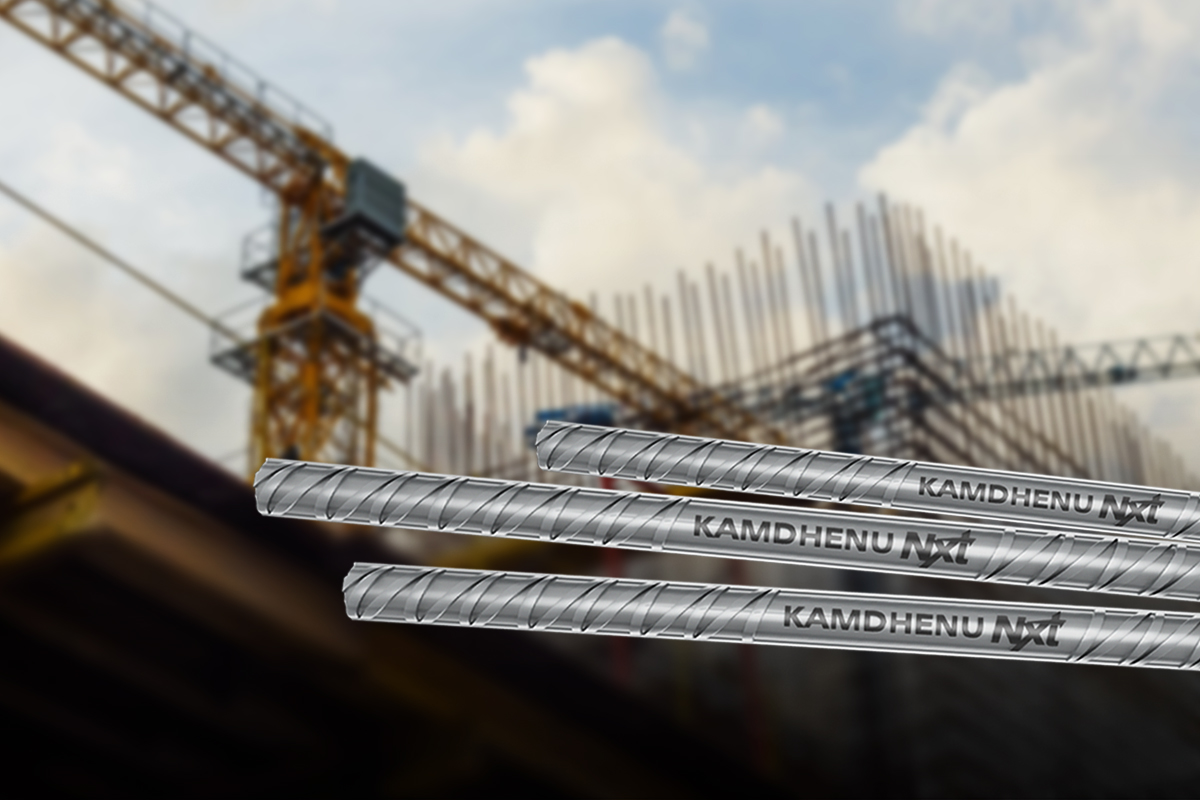
Every genuine TMT bar carries rolled identification markings. These markings appear repeatedly along the bar length. They typically include the brand name and steel grade.
Reputed manufacturers maintain consistent marking formats. Blurry, irregular, or missing markings raise immediate concern. Counterfeit bars often copy names with minor spelling errors.
Always inspect markings before unloading steel at the site. Once mixed with other stock, verification becomes difficult. This step forms the foundation for identifying fake TMT bars.
Verify BIS Certification and IS Standards
Authentic TMT bars comply with BIS specifications. IS 1786 is the applicable Indian standard for reinforcement steel. This standard defines chemical and mechanical requirements.
Ask suppliers for BIS certification details upfront. Each batch should have a test certificate from the manufacturer. These reports list yield stress, elongation, and heat numbers.
Compare certificate details with bar markings carefully. Any mismatch indicates possible substitution or counterfeit material. A proper TMT bar quality check always includes documentation.
Conduct Simple On-Site Physical Tests
Basic physical tests reveal important quality indicators. A bend test is commonly used across construction sites. Genuine bars bend smoothly without visible surface cracks.
After bending, the bar should partially regain shape. This confirms adequate ductility in the steel core. Brittle behaviour signals improper heat treatment.
Also, inspect rib patterns on the bar surface. Uniform ribs ensure better bonding with concrete. Irregular ribs may indicate inferior rolling practices.
Check Weight and Diameter Consistency
Fake TMT bars often fail dimensional accuracy checks. Use a vernier caliper to measure bar diameter. Weigh bars using a calibrated site weighing scale.
Compare results with standard weight charts. Significant variation suggests lower steel content. This directly affects load-bearing capacity.
Experienced engineers always document these measurements. Steel authentication relies on objective verification, not assumptions.
Observe Surface Finish and Corrosion Resistance
Surface appearance offers valuable quality clues. Genuine TMT bars show clean and uniform finishes. Excessive scaling indicates poor rolling control.
Early rust formation is another warning sign. Quality bars resist corrosion better due to controlled processing. Kamdhenu TMT bars use controlled cooling for improved durability.
Corrosion weakens reinforcement before concrete casting completes. This compromises structural integrity from the start.
Confirm Supplier and Dealer Authorization
Material sourcing plays a major role in quality assurance. Always purchase steel from authorized dealers only. Authorized sellers maintain traceability and proper documentation.
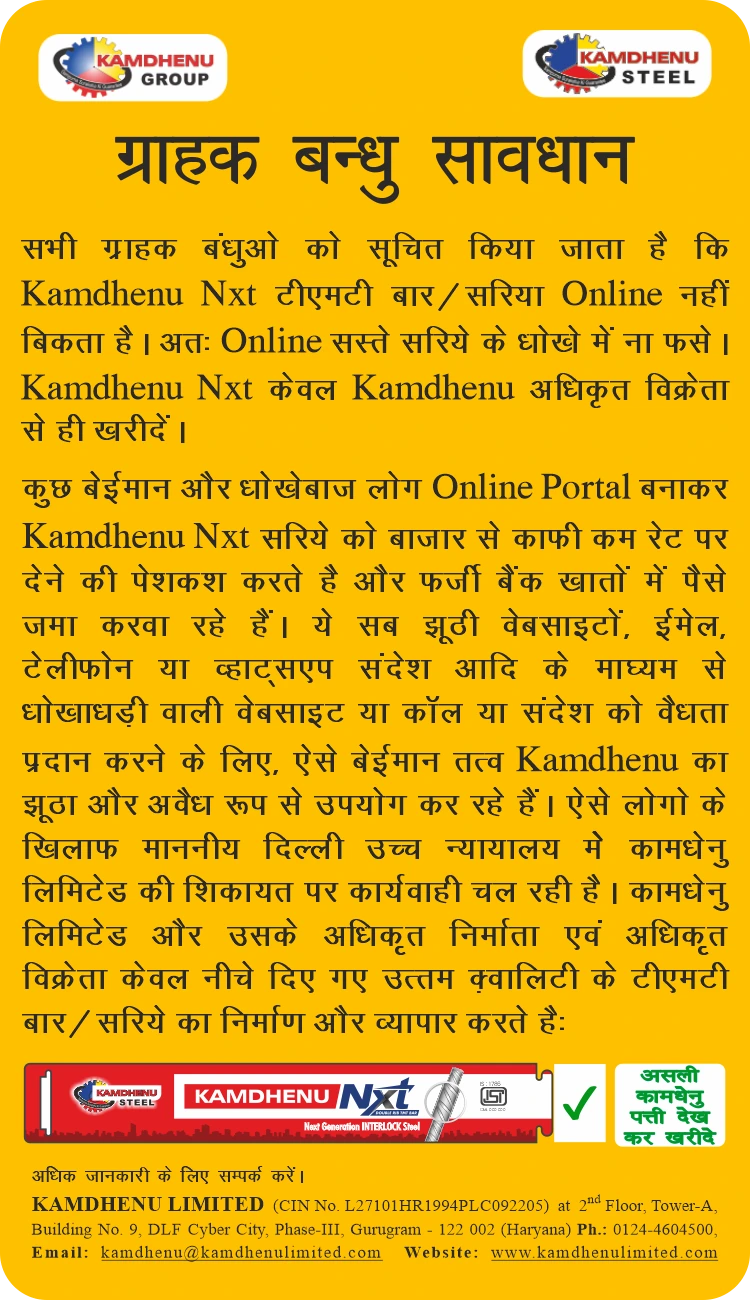
Kamdhenu operates an extensive authorized dealer network. This reduces the risk of counterfeit products entering sites. Invoices and certificates should always accompany deliveries.
Avoid cash purchases from unknown intermediaries. Short-term savings often result in long-term structural risks.
Use Technology for Steel Authentication Where Available
Some manufacturers offer digital authentication tools. These include QR codes or batch verification systems. Such tools improve transparency and traceability.
Verify details using official manufacturer platforms. Avoid third-party apps or unofficial websites. Technology strengthens traditional inspection methods effectively.
Common Mistakes to Avoid During TMT Bar Inspection
Relying only on price is a common mistake. Cheaper steel often compromises essential properties.
Ignoring documentation also increases risk exposure.
Mixing verified and unverified stock causes confusion. Always segregate materials until checks are complete. Experienced sites follow strict inward inspection protocols.
Final Thoughts on Identifying Genuine TMT Bars
Identifying genuine TMT bars requires discipline and awareness. No single check is sufficient on its own. A combination of visual, physical, and document checks works best.
Fake TMT bar identification protects lives and investments. Regular TMT bar quality checks ensure structural reliability. Steel authentication should be a standard site practice.
Experienced professionals trust standards, not assumptions. That trust begins with choosing verified steel every time.