What a coated sheet actually does
A Coated Steel Sheet combines a steel base with one or more protective surface layers. Steel provides strength. The coating helps protect the surface from corrosion, weathering, and appearance loss.
Coatings may be metallic, painted, or a combination of both. Common systems include zinc-coated steel, aluminium-zinc coated steel, pre-painted galvanised steel, and pre-painted aluminium-zinc steel.
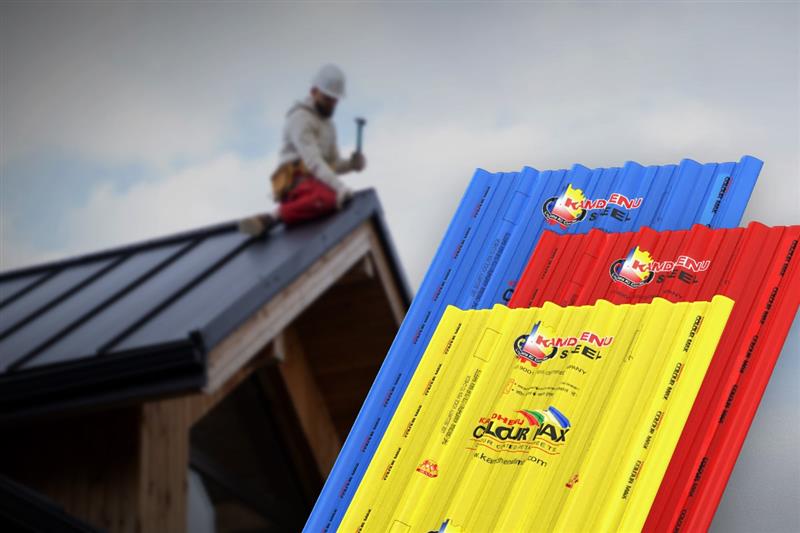
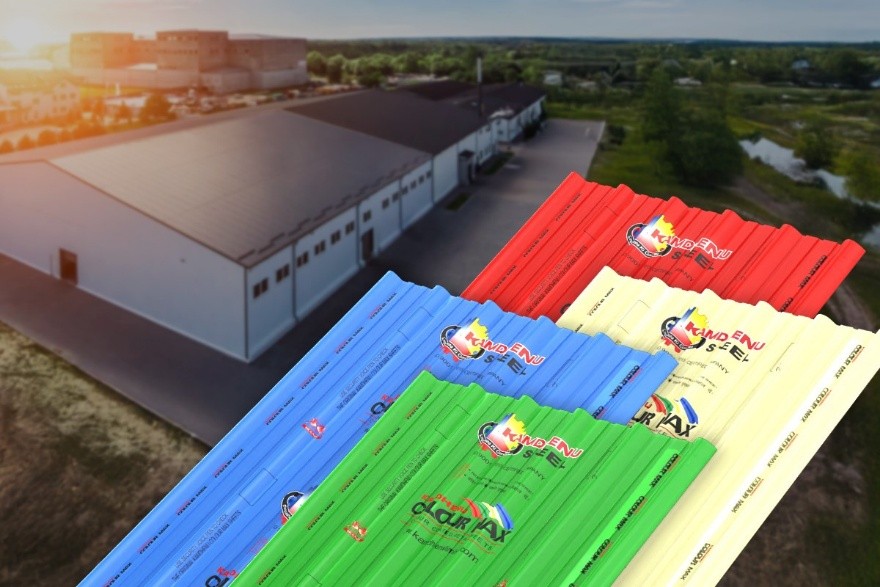
Kamdhenu Colour Max uses galvanised steel or Alu-Zinc substrates with protective coating layers for roofing and wall cladding. The product range includes Hi-Rib and Tile profiles for residential, commercial and industrial use.
Main types of coated steel sheets
The term "coated steel sheets" covers several product families.
- Galvanised steel uses zinc as a protective metallic layer. A galvanized coated sheet protects the base steel through a combination of barrier protection and zinc's sacrificial behaviour.
- Aluminium-zinc coated steel uses an alloy coating designed for strong corrosion performance in roofing and cladding applications.
- A pre-coated steel sheet normally refers to steel that receives factory-applied coatings before it reaches the fabricator or construction site.
Pre-painted systems add primer and top-coat layers over a protected metallic substrate. These products are widely used for colour-finished roofs, façades, appliances, and fabricated panels.
How the coating system is built
A Coated Steel Sheet is not simply bare steel with paint on top. A quality system may include surface treatment, metallic coating, primer, topcoat, and a reverse-side protective layer. Each layer has a job. The metallic layer protects the steel. The primer improves coating adhesion. The topcoat provides colour, gloss, and weather resistance. The reverse coat protects the back surface during handling and service.
The performance of steel sheet coating depends on layer quality, thickness, curing, and surface preparation. A thick-looking paint film cannot compensate for a poor substrate or weak pretreatment.
Where coated sheets are used
This type of coated sheet is common wherever light weight, corrosion resistance, and factory finish are useful. Applications include industrial roofing, warehouse cladding, residential roofs, factory walls, partitions, cold-store panels, agricultural buildings, prefabricated structures, equipment enclosures, and architectural façades.
Color coated steel is also used where appearance is important. A factory-applied finish gives more consistent colour than painting a large roof after installation.
For roofs and walls, profile shape adds stiffness to the sheet and helps control water flow.
Key benefits
- The first benefit is corrosion protection. The finished sheet can last longer than unprotected bare steel when the coating system suits the environment.
- The second benefit is lower site work. A pre-coated steel sheet arrives with its finish already applied, reducing painting activity after installation.
- Other benefits include lower maintenance, colour consistency, light weight, quick installation, recyclability, and compatibility with prefabricated construction.
- For industrial projects, coated steel sheets can shorten enclosure work and help a building become weather-tight sooner.
PPGI and PPGL in practical terms
PPGI means pre-painted galvanised iron or steel. PPGL means pre-painted galvalume or aluminium-zinc coated steel.
Both use a metallic protection layer plus a paint system. The right choice depends on the environment, specification, supplier warranty, and project life expectations.
Kamdhenu Colour Max is offered in colour-coated systems based on galvanised and Alu-Zinc steel. Buyers should confirm the exact substrate, metallic coating, and paint system for the product they are purchasing.
A Coated Steel Sheet should always be compared to complete build-up, not colour alone.
Important technical factors before buying
Before ordering a Coated Steel Sheet, check:
- Base metal thickness;
- Metallic coating type and mass;
- Primer and top-coat system;
- Paint thickness;
- Yield strength or grade;
- Profile dimensions;
- Effective cover width;
- Colour and gloss;
- Underside coating;
- Warranty conditions;
- Recommended fasteners and accessories.
For a galvanized coated sheet, coating mass is an important durability parameter. For pre-painted material, paint system and coating adhesion also matter.
Thickness: base metal versus total coated thickness
Buyers sometimes compare sheet thickness without asking what the number represents. The base metal thickness and total coated thickness are not the same thing.
The purchase specification should make the measurement basis clear. This prevents disputes while receiving inspections.
For roofing, thinner material may reduce cost but can also reduce stiffness and resistance to handling damage. The correct thickness depends on the profile, support spacing, wind load, and design.
Do not change thickness only to meet a price target.
Corrosion depends on the environment
No coating is suitable for every site. Coastal air, industrial pollution, high humidity, and chemical exposure can increase corrosion risk.
A Coated Steel Sheet for a mild inland warehouse may have different requirements from one used near the sea. Cut edges, scratches and fastener holes are also vulnerable points.
The project should define the exposure category and maintenance expectations. Site teams should avoid dragging sheets, using incompatible fasteners or leaving a swarf on finished roofs.
Installation and storage considerations
- Store coated steel sheets under cover in a dry, ventilated place. Keep bundles slightly inclined, so accidental water does not remain trapped between sheets.
- Lift sheets carefully. Do not drag one finished face across another. Remove drilling swarf after fixing. Use fasteners and washers recommended for the roofing system.
- A Coated Steel Sheet can be high quality at dispatch and still fail early if storage and installation damage the coating.
Kamdhenu Colour Max as a reference
Kamdhenu Colour Max is positioned as a durable colour-coated sheet range for roofing and wall cladding. Published information highlights weather resistance, corrosion resistance, thermal efficiency, multiple profiles, and low maintenance.
The range includes pre-painted systems and profiles suited to homes, factories, and commercial buildings. For buyers, it demonstrates the main principle of coated steel procurement: substrate, coating, profile, and installation should be considered together.
Final takeaway
A Coated Steel Sheet is a layered product. Steel provides strength. Metallic and paint coatings provide protection and finish.
Choose the sheet by application, environment, thickness, coating system and profile. Ask exactly what the steel sheet coating includes. Compare the full specification rather than only rate per square metre.
When correctly selected and installed, a Coated Steel Sheet can provide fast construction, attractive finish and durable weather protection with relatively low maintenance.
Practical specification notes
- Procurement teams should record the approved Coated Steel Sheet specification before requesting final quotations, so every supplier is pricing the same requirement.
- On receipt, sample checks for the Coated Steel Sheet should be completed before the material is released to fabrication or installation.
- Any proposed change to the Coated Steel Sheet should be reviewed against the drawing, loading and service conditions rather than accepted only because stock is available.
- For repeat orders, keeping the same Coated Steel Sheet description on drawings, purchase orders and inspection records reduces avoidable site confusion.