 June 01 2025
A Complete Guide to Choosing the Right Colour-Coated Roofing Sheets
A Complete Guide to Choosing the Right Colour Coated Profile Sheet
Making the right choice of house roofing sheets is crucial when structuring any building, whether considering aesthetics or practicality. Suffice it to say, a wide variety is available in the market today.
Among the many options available, colour coated profile sheet stands out for a good reason - they offer an impressive combination of flexibility, durability, and visual appeal. They are often used internationally for residential, commercial, and industrial purposes due to their durability when used as roofing and cladding materials.
These do come in different materials, coatings, and thickness which makes selecting the most optimal colour coated profile sheet overwhelming. This guide hopes to make the buying process easier, ensuring that days, months or years of value for the payment made will be achieved.
What is a Colour Coated Profile Sheet?
A colour coated profile sheet is a colour-coated steel sheet that is roll-formed into a profile (ribbed/corrugated/trapezoidal patterns). The profile is not just for looks—it improves stiffness, span performance, and water drainage, which is why profile sheets are widely used for roofing and cladding.
When buyers say "best colour coated profile sheet", they usually mean:
- The right base metal for the environment
- The right thickness for the span/load
- The right coating system for weather/UV exposure
- The right profile for drainage and wind performance
Key Factors to Consider When Choosing Colour-Coated Roofing Sheets
1. Material Selection
Selecting the most appealing option for house roofing sheets means compromising their sturdiness and longevity because these are highly influenced by the material used to make them. The three most used materials include:
- Galvanized Iron (GI): Strength and corrosion resistance are ensured through the application of a zinc coating.
- Galvalume Steel: In terms of providing protection from corrosion, Galvalume Steel is made of a better combination of zinc, aluminium, and silicon.
- Aluminium: The option for aluminium is the most helpful as it is very light and does not rust which is beneficial in coastal or damp areas.
The choice of a material is dictated by the environment, the physical configuration of the structure, and the finances available.
2. Thickness and Load Bearing Capacity
The thickness of a colour coated profile sheet correlates directly with its toughness and capacity to resist external forces.
The sheets range from about 0.30 mm to 1.00 mm in thickness.
- For residential purposes: Sheets having sizes of 0.45 mm to 0.50 mm thickness are appropriate.
- For more commercial or industrial purposes: Sheets of 0.60 mm to 1.00 mm might be needed to account for additional load as well as other factors.
Choosing the most optimal thickness will achieve a balance between performance and durability.
3. Type of Coating for Protection
The coating is the single most important factor in determining the resistance of the roofing sheet to environmental damage. The most popular include:
- Regular Modified Polyester (RMP): Known for its good formability, durability, and weather resistance, making it suitable for various applications.
- PVDF (Polyvinylidene Fluoride) Coated Sheets: Withstands chemicals, UV radiation and weathering.
- SMP (Silicone-Modified Polyester) Coated Sheets: Good colour retention and better durability.
If you live in a region that is prone to extreme weather, house roofing sheets that are PVDF coated will last longer.
4. Weather Resistance and Durability
A good colour-coated profile sheet can provide exceptional coverage when it rains heavily, as the water-proof coating prevents leakage; during the rain, the air-tight seal stops outside air from leaking keeping your room temperature controlled. They can provide protection when used in rusting environments as galvalume aluminium or steel sheets are not prone to corrosion if exposed to chemicals.
Buying the sheets ensures great performance while maintaining them becomes simple over time.
5. Structural Aesthetics and Colour Dimensions
Roofing sheets serve both functional and aesthetic purposes by adding colour to your theme. The reflection of lighter colours can keep interiors cooler while darker shades absorb heat, making them suitable for colder places. The majority of colour-coated profile sheets follow the RAL colour system, so there is no need to worry about your architectural style clashing with the roofing sheet since they can cater to different shades.
6. Service and Assembly
Assembly for roofing sheets should be straightforward.
Quick profile selection guide (to choose the right profile sheet):
- Ribbed / Trapezoidal profiles: Chosen when roof strength and fast water discharge matter (heavy rains, longer spans).
- Tile profile: Chosen mainly for aesthetics where a tile-like finish is needed.
- Liner / cladding profiles: Chosen for wall/ceiling cladding where a clean internal finish is required.
Profile choice should match rainfall, wind exposure, span, and the visual requirement—then thickness and coating can be selected accordingly.
Look for sheets that have:
- Seamless fitting due to precision manufacturing.
- Coatings that prevent water leakages.
- Finishes that can scratch but will not change their appearance.
Selecting sheets with low maintenance requirements are recommendable since they decrease long-term costs and promise hassle-free performance.
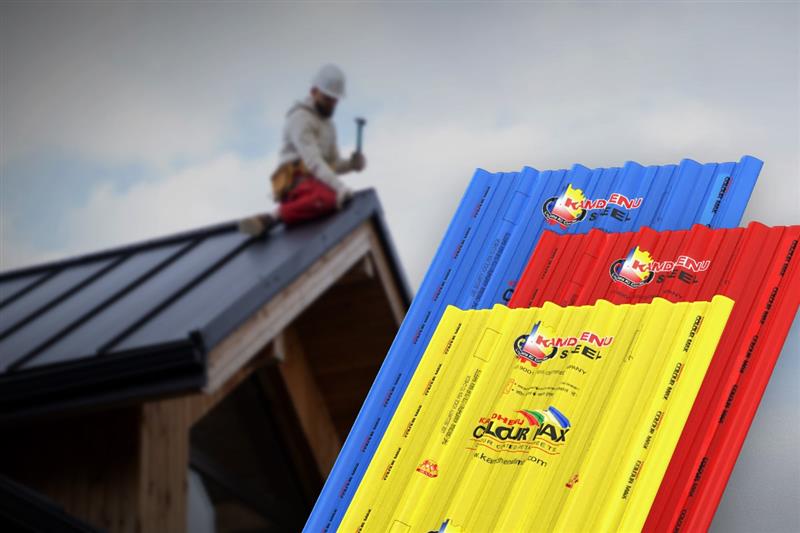
Benefits of Choosing Kamdhenu Colour Max Colour Coated Sheets
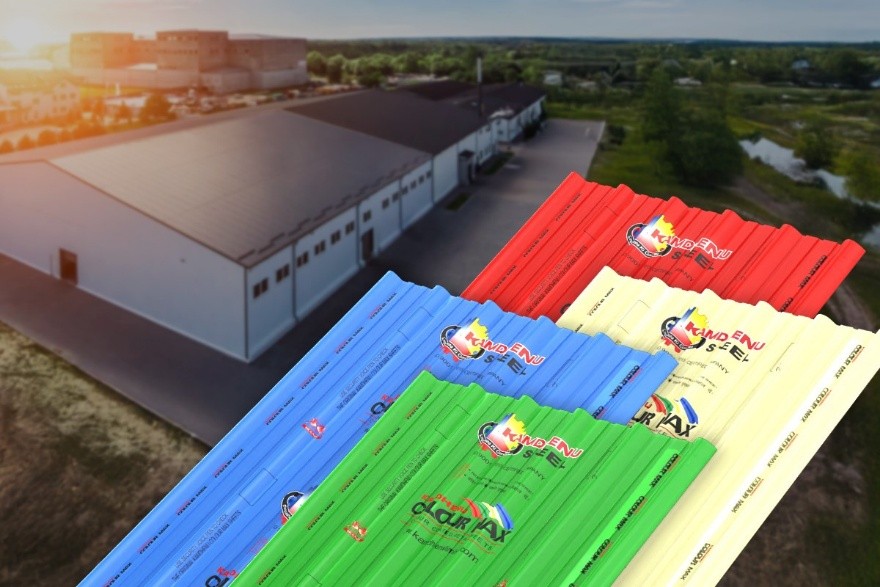
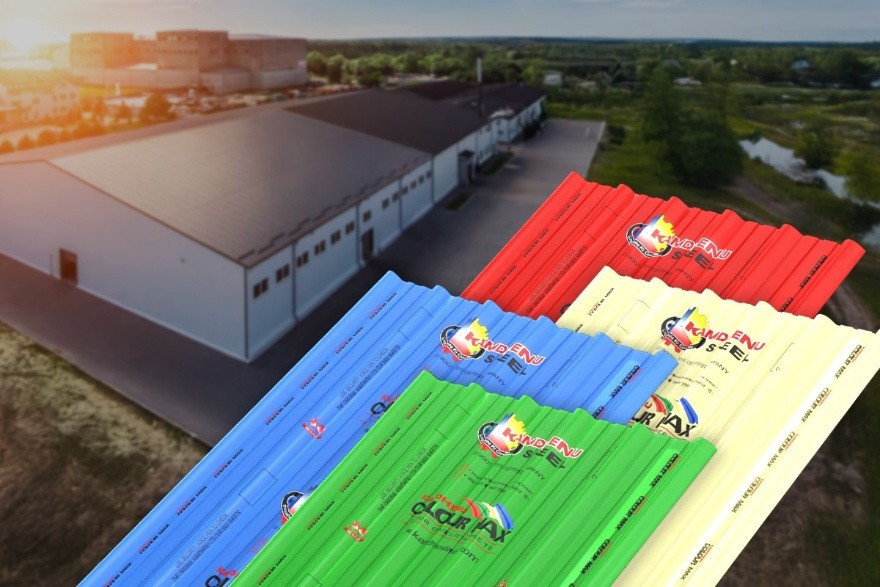
Looking for quality house roofing sheets, then Kamdhenu Colour Max colour-coated sheets are an ideal selection due to them providing performance, aesthetic and durability features on the merge.
Key Features
- Low maintenance functionality since they are coated with materials that need limited upkeep.
- High weather resistance since they are designed for extreme climates without structural damage.
- Flexible design for diverse architectural needs since they come in concave and convex standard shapes.
- Tailor-made for generous coverage and resource efficiency.
- The coatings used are of high quality which makes them water resistant and prevents leakage.
- The thickness, length, and width accurately meet the requirements, which makes installation easy.
Applications of Kamdhenu Colour Coated Sheets
These multi-purpose roofing sheets are ideal for:
- Wall Panels: Improving the beauty and strength of building exteriors.
- Container Storage Yards: Offering durable and weatherproof storage facilities.
- Railway Carriages: Providing structural strength for use in transportation.
- Road Safety Infrastructure: Found in protective barriers and signage structures.
For additional information about Kamdhenu Colour Max Colour coated sheets, visit our official page.
Conclusion
Choosing the right colour-coated profile sheets involves a careful consideration of other factors like material, thickness, type of coating, and the durability against weather conditions. The weather resistant roofing sheets of superior quality ensures the structural soundness of a building while keeping its longevity and maintenance at the lowest.
Remembering these considerations will enable an outcome that suits the needs of the project. Choosing appropriate roofing sheets is essential for residential, commercial, and industrial buildings, and achieves a well-balanced structure that fulfils all practical functions and has an aesthetic value.
FAQs on Colour Coated Profile Sheet
Q1. What is a colour coated profile sheet used for?
It is commonly used for roofing and cladding because the profiled shape improves stiffness and drainage compared to flat sheets.
Q2. How is a profile sheet different from a plain colour coated sheet?
A profile sheet is roll-formed into ribs/corrugations, which improves span performance and water flow, while a plain sheet stays flat.
Q3. What thickness is usually selected?
Thickness should be chosen based on span and load. The blog already notes common ranges and typical residential vs industrial thickness bands.
Q4. What matters more—coating or thickness?
Both matter: thickness supports structural load, while the coating system drives weather/UV protection and long-term durability.