 December 19 2024
The Evolution of Steel Industry: Moving Towards a Low Emission Economy
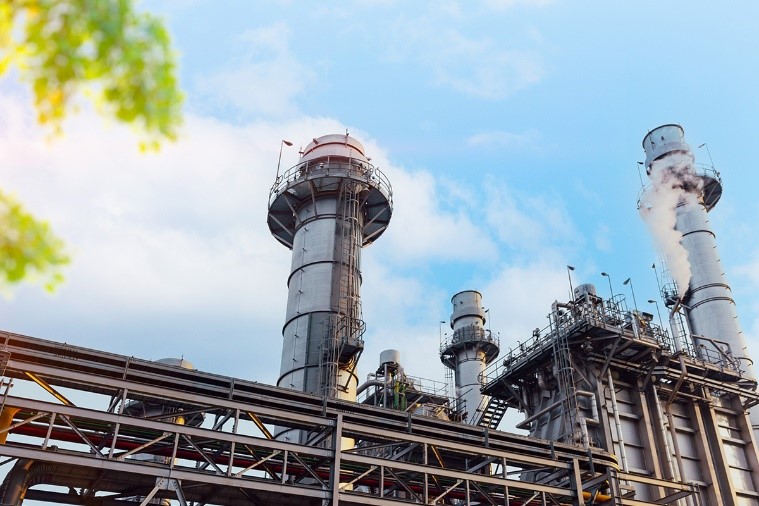
The steel industry is widely acknowledged as one of the largest sources of GHG emissions globally and contributes around 7% of the emissions total around the globe. This notable carbon footprint is because of the sector’s dependence on coal energy, along with chemical reactions that result in production processes for iron and steel.
However, there are future forecasts that give us hope for a more sustainable environment. The larger steel market stakeholders, including the best steel company, in India and overseas, are working towards this goal.
The Indian Scenario in Steel and the Carbon Issue
With more investments being made in infrastructure and rapid urbanization, India has become the second-largest producer of crude steel in the world. While this might seem encouraging, there are adverse effects that should be noted as well — the production of crude steel in India makes up approximately 12 per cent of carbon emissions in the environment. There is a significant need to reverse this and leading players in this market, such as Kamdhenu Steel, have already started measures for this purpose.
Innovations in Steel Production
As many major steel companies have done in the past, they are also actively looking into ways to cut down the emission of carbon gases into the air:
1. Transitioning to the use of hydrogen, renewable electricity and biofuels.
2. Ccs aims to develop technologies which hope to geologically sequester any future CO2 emissions.
3. Switching to a circular economy in order to avoid resource depletion while optimizing all processes.
Steel Recycling: A Key to Sustainability
Indian steel recycling rates are around 30% while the world average stands at 60%. This is slowly changing as the best steel companies in India are attempting to increase this percentage because recycling helps preserve the planet’s resources and is a significant energy saver. Less energy is used when steel is made from recycled scrap steel as opposed to raw materials, which also produces less carbon emissions.
Policy Initiatives and Regulations
Various measures are being planned by the government in order to promote sustainability in the steel industry:
1. Policies and programs that use greenhouse gas compensation mechanisms and instruments.
2. The Perform, Achieve, and Trade (PAT) scheme is geared towards energy-efficient businesses.
3. An emission trading scheme allowing companies to capitalize on their carbon credits.
4. Grants and tax breaks for low-emission technologies, such as the Green Hydrogen Mission of India.
Challenges and Opportunities
Transitioning into a low-carbon economy is certainly not short of challenges, because of the high cost of investment and technical difficulties, but it has a lot to offer as well. The best steel company in India believes that the focus on sustainability goals can help them achieve the following.
1. Being able to meet leading that global standard.
2. Signing technological agreements to cover a wider market for green steel products.
3. Cost optimization by adopting energy-saving processes and renewable energy.
Conclusion
As the steel sector progresses toward greener practices, it is only those companies which are innovative and environmentally responsible which will succeed. In this context, Kamdhenu Steel proudly claims to be the best steel company in India as it is dedicated to sustainability and supports the cause of making the steel sector carbon-light.
Frequently Asked Questions (FAQs) About the Steel Industry and Low-Emission Economy
1. Why is the steel industry considered a major source of carbon emissions?
The steel industry contributes around 7% of global greenhouse gas emissions. This is mainly due to the use of coal in steel production and the chemical reactions involved in converting iron ore into steel.
2. Why is reducing carbon emissions important for the steel industry?
Reducing emissions is essential to combat climate change and support global sustainability goals. By adopting cleaner technologies and energy-efficient processes, the steel industry can significantly reduce its environmental impact.
3. What is the current status of steel production in India?
India is the second-largest producer of crude steel in the world. Rapid urbanization and infrastructure development have increased steel demand, making the industry a critical part of the country’s economic growth.
4. How much carbon emission comes from steel production in India?
Steel production in India contributes approximately 12% of the country’s total carbon emissions, which highlights the need for sustainable production practices.
5. What innovations are helping reduce emissions in the steel industry?
Steel companies are exploring several innovations, including:
- Hydrogen-based steel production
- Use of renewable electricity and biofuels
- Carbon capture and storage (CCS) technologies
- Circular economy practices and efficient resource management
6. What role does steel recycling play in sustainability?
Steel recycling helps reduce the need for raw materials and significantly lowers energy consumption. Producing steel from recycled scrap uses less energy and results in lower carbon emissions compared to producing steel from iron ore.
7. How does India compare with global steel recycling rates?
Steel recycling rates in India are around 30%, while the global average is approximately 60%. Increasing recycling efforts can help the industry move toward a more sustainable future.
8. What government initiatives support a low-emission steel industry?
The government has introduced several initiatives to promote sustainability, including energy efficiency schemes, carbon trading mechanisms, and incentives for adopting green technologies.
9. What is the goal of the Perform, Achieve, and Trade (PAT) scheme?
The Perform Achieve and Trade (PAT) Scheme encourages industries to improve energy efficiency by setting energy consumption targets and allowing companies to trade energy-saving certificates.
10. How does the Green Hydrogen Mission support the steel industry?
The National Green Hydrogen Mission promotes the use of hydrogen as a cleaner energy source, which can replace fossil fuels in steel production and significantly reduce carbon emissions.
11. What challenges does the steel industry face in becoming low-carbon?
The transition to a low-emission steel industry involves challenges such as high investment costs, technological complexity, and the need for large-scale infrastructure changes.
12. How are steel companies contributing to a greener future?
Many companies, including Kamdhenu Limited, are adopting sustainable manufacturing practices, improving energy efficiency, and investing in eco-friendly technologies to reduce emissions and support environmentally responsible steel production.