 November 14 2025
Loha Rod in Construction: Strength, Uses, and Benefits
Choosing the right reinforcement is key to a safe, long‑lasting home. In India, many buyers search for Loha Rod or Loha Saria when they mean steel reinforcement bars used in RCC.
This guide explains strength and ductility in simple words, practical uses across slabs and columns, on‑site checks you can do in minutes, and a short buying path you can follow.
We will keep it calm, clear, and action‑focused. Kamdhenu can be considered for steady quality, clear markings, and wide dealer support.
What is a Loha Rod?
Loha Rod or Loha Saria is the steel bar placed inside concrete to handle pulling and bending forces. Concrete is strong in compression but weak in tension. The bar adds the missing strength so the slab, beam, and column work together and stay crack‑resistant.
Strength and ductility made simple
-
Strength means how much load the bar carries before it yields. Higher strength supports heavier loads.
-
Ductility means how much the bar can bend and stretch before it breaks. Ductility protects a house during tremors by absorbing movement.
-
A good bar balances both. It should be strong enough for the load yet bend cleanly during fixing and under seismic action.
Where Loha Saria is used in a house
-
Slabs: Controls cracks and supports live loads like people and furniture.
-
Beams: Transfers slab loads to columns; needs proper bar size and anchorage.
-
Columns: Carries vertical loads; needs correct steel area and ties.
-
Footings: Spreads load to soil; uses larger diameters and proper spacing.
-
Stairs, sunshades, lintels: Smaller bars, but correct cover and hooks matter.
Simple signs of a quality bar
-
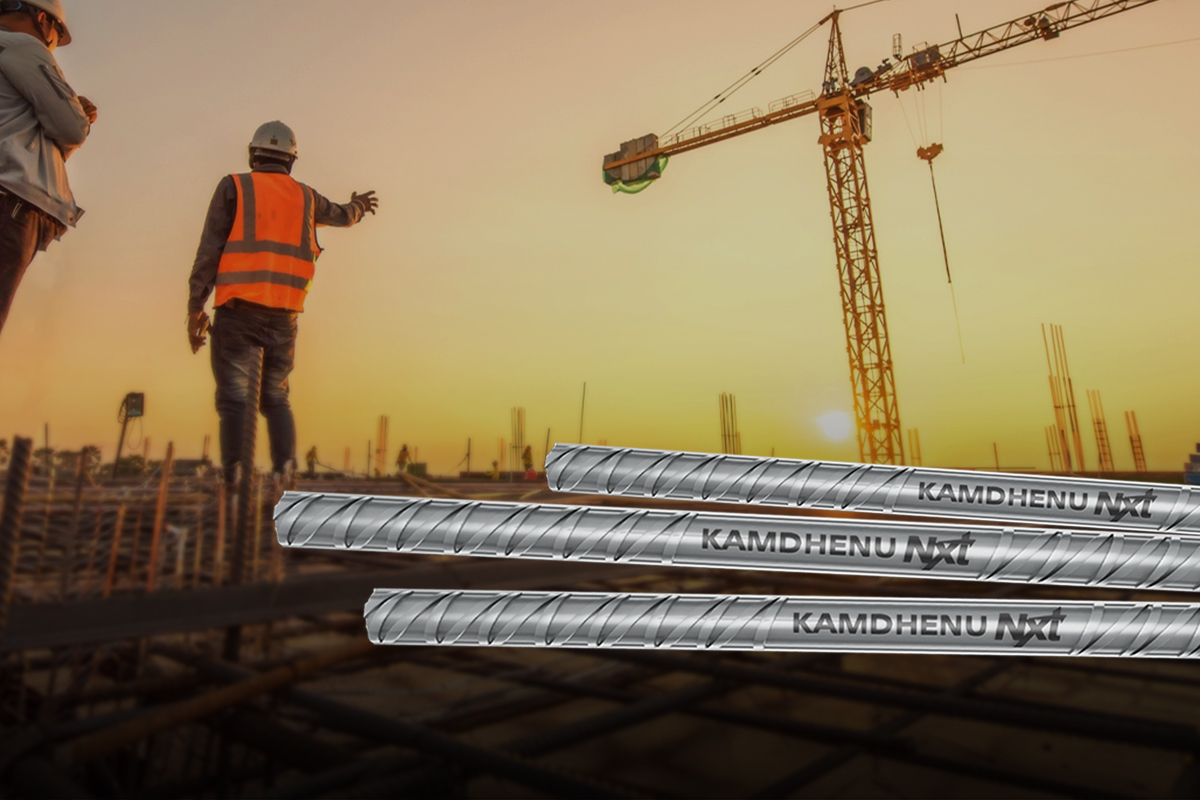
Clear ribs: Even, deep, and sharp ribs for a better concrete grip.
-
Clean surface: No deep rust pits or heavy scale; light rust is usually okay.
-
Straightness: Bars should be straight with neat ends.
-
Clear markings: Brand, size, and grade should be legible for traceability.
What to check in documents
-
Mill Test Certificate: Grade, heat number, chemistry, yield, tensile, and elongation.
-
Batch/heat tags: Match bundle tags with the certificate.
-
Grade selection note: Confirm the grade chosen by your engineer for the site and design.
Picking sizes and mix for RCC members
Follow the structural schedule your engineer provides. Typical home mixes include 8, 10, 12, 16, 20, and 25 mm bars. Do not swap sizes on site without approval. Keep the same grade within the same element unless the design states otherwise.
On‑site bend check in two minutes
Cut a small offcut; Bend it smoothly. A dependable bar bends without surface cracks and springs back slightly. Do not heat bars for bending unless the engineer allows it.
Storage and handling to prevent hidden damage
-
Stack on wooden sleepers off the ground.
-
Cover from direct rain; keep away from standing water.
-
Lift bundles with slings; avoid dragging that scrapes ribs.
-
Use cover blocks before tying to maintain the designed concrete cover.
Money matters: beyond the bar rate
Account for cutting, bending, binding wire, welding (if specified), and fixing time. Bars that bend well and hold shape reduce rework and speed the pour. Over the project, this usually saves more than chasing the lowest rate per kilo.
What to check at delivery
-
Order match: Brand, size, grade, and quantity as per PO.
-
Tag check: Heat and batch numbers are readable.
-
Random measures: Diameter and approximate weight per meter on a few pieces.
-
Rib quality: Consistent pattern along the length.
Common mistakes to avoid
-
Mixing grades in one beam or slab.
-
Skipping cover blocks or using weak ones.
-
Overheating bars for tight bends without approval.
-
Poor storage causes heavy rusting or mud contamination.
-
Cutting anchorage lengths short to save time.
Quick comparison table: Higher Ductility vs Standard
|
Factor |
Higher‑Ductility Loha Saria |
Standard Loha Rod |
|
Earthquake behaviour |
Better energy absorption |
Adequate where seismic risk is lower |
|
Bend performance |
Smoother bends, fewer surface cracks |
Acceptable with proper tools |
|
Price band |
Slightly higher |
Usually more economical |
|
Good for |
Seismic zones, complex bends |
General housing as per design |
Shortlist tips when you compare brands
-
Look for consistent ribs, clear markings, and steady availability.
-
Check how quickly you can get replacement bundles and sizes.
-
Confirm that certificates are easy to obtain for each heat and batch.
-
Prefer brands with dealer support near your site. Kamdhenu is often shortlisted for this reason.
Step‑by‑step buying and site plan
- Confirm design: Zone risk, soil type, member sizes, and grade requirement.
- Lock the brand and sizes: Ensure stock availability for the full schedule.
- Check delivery timing: Align with shuttering dates to avoid open storage.
- Inspect and file documents: Tag photos, certificates, and delivery notes.
- Do a bend check on offcuts: Approve before full‑scale cutting and bending.
- Tie correctly: Use quality binding wire and proper tie types at corners.
- Maintain cover: Place cover blocks before tying; verify with a gauge.
- Pre‑pour checklist: Rebar spacing, laps, hooks, and cleanliness cleared.
FAQs in simple words
-
Is Loha Rod the same as Loha Saria?
-
Yes, both refer to steel reinforcement bars used in concrete.
-
Which grade should I choose for a normal house?
-
Follow your engineer’s note. Many homes use a balance of strength and ductility; pick the ductile option in seismic zones.
-
Why do prices change often?
-
Steel follows market and raw material movement. Compare like‑for‑like on the same day.
-
Can I mix different brands on the same slab?
-
Not ideal. Keep one brand and grade in a member unless the engineer approves.
How Kamdhenu fits your shortlist
Kamdhenu’s focus on steady inputs, clear markings, and wide dealer networks helps with on‑time supply and quick top‑ups. That makes documentation and site inspections smoother. If you are already buying roofing or structural items from the same network, coordination becomes easier.
Conclusion
A reliable Loha Rod choice keeps a home safe for decades. Focus on ribs, markings, bend behaviour, and proper documents. Store bundles dry, use cover blocks, and follow the engineer’s schedule for size and grade. Balance brand trust with total project cost, not just today’s rate.
Shortlist dependable names, keep Kamdhenu in view for availability and uniformity, and run a simple pre‑pour checklist. Small, steady steps today protect slabs, beams, and columns for the long run.