July 17 2026
Industrial Roofing Sheets Materials, Types and Benefits for Modern Factories
Industrial Roofing Sheets – Complete Selection, Specification & Installation Guide
A factory roof does more than keep out rain. It controls daylight, heat, ventilation and maintenance access while protecting machinery, stock and people. Poor roofing can interrupt production, damage valuable goods and create recurring maintenance problems.
Modern industrial roofing sheets are engineered around profile strength, protective coatings and correct fixing. The right system must suit the building span, wind conditions, rainfall, internal humidity and chemical exposure. A food-processing unit, foundry and logistics shed may therefore require different roofing solutions even when their buildings are similar in size.
The best results come from treating the roof as a complete system. Sheets, purlins, fasteners, sealants, flashings, gutters, insulation and ventilation must work together. This guide explains the main roofing materials, selection factors, benefits, applications and installation practices that influence the performance of industrial roofing sheets.
What Are Industrial Roofing Sheets?
Industrial roofing sheets are profiled metal or composite sheets used to cover factories, warehouses, workshops, processing units and other large commercial or industrial structures.
Unlike flat sheets, industrial roofing products are roll-formed into ribs and valleys. These profiles improve stiffness and help the sheets span between structural supports. They also channel rainwater towards gutters and drainage points.
Industrial roof systems may include galvanised steel, pre-painted galvanised steel, aluminium-zinc-coated steel, insulated sandwich panels and translucent sheets. The correct choice depends on the building's use, local climate, exposure conditions and thermal requirements.
Types of Industrial Roofing Sheets Available
Galvanised Iron Sheets
Galvanised iron, or GI, sheets use a zinc-coated steel base. The zinc coating delays corrosion and makes the sheets suitable for industrial sheds, workshops and utility buildings.
GI sheets are often selected where a plain metallic finish is acceptable. However, cut edges, scratches and damaged areas still require attention because exposed steel can begin to corrode.
PPGI Roofing Sheets
PPGI roofing sheets are pre-painted galvanised steel sheets. In addition to the zinc coating, they have a paint system that provides colour and another protective layer.
These sheets are widely used for factories, workshops, warehouses and wall cladding because they combine structural strength with a finished appearance. They can also support a consistent exterior identity across roofs and walls.
The performance of PPGI roofing sheets depends on the steel base, zinc coating, paint system and total coated thickness. Buyers should not compare products only by colour or nominal thickness.
Aluminium-Zinc or Galvalume Sheets
Aluminium-zinc-coated sheets use an alloy coating instead of a conventional zinc-only layer. They can provide strong corrosion performance in many environments.
Pre-painted versions are commonly used where both appearance and extended outdoor service are important. However, the coating must be assessed against the actual site environment, and compatible fasteners should be used.
Insulated Sandwich Panels
PUF or PIR sandwich panels have metal facings with an insulating core. They reduce heat transfer and can improve indoor temperature control.
These panels are useful for cold stores, food-processing facilities and other temperature-sensitive buildings. Fire performance, vapour control and joint detailing must be reviewed carefully before selection.
Translucent Roofing Sheets
Polycarbonate or FRP sheets allow daylight to enter the building. When correctly planned, they can reduce daytime lighting demand.
However, excessive skylight coverage may increase heat and glare. Translucent sheets should be compatible with the main roof profile and should be incorporated into a system that allows safe inspection and maintenance.
Why Roofing Profile Shape Matters
A flat metal sheet has limited stiffness. Roll-forming introduces ribs and valleys that improve the sheet's ability to span between purlins and carry loads.
Trapezoidal and hi-rib profiles are commonly used in industrial roofing sheets. The profile also influences water drainage, overlap detailing and fastener positioning.
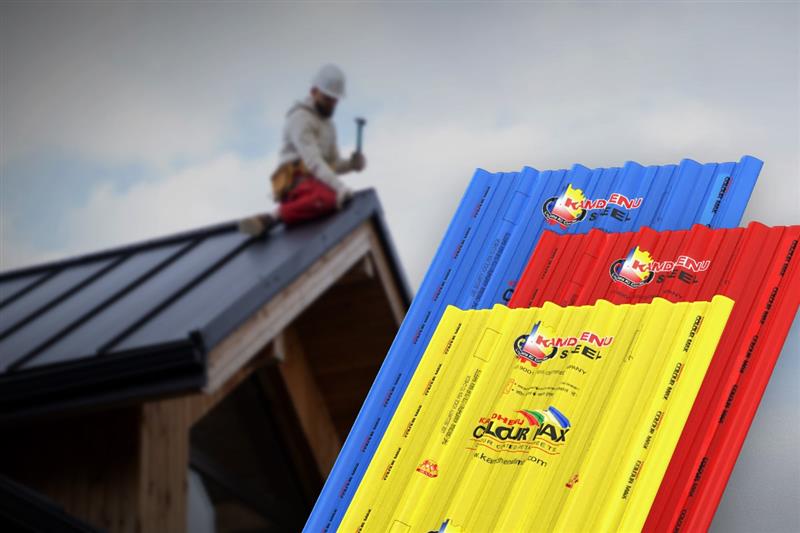
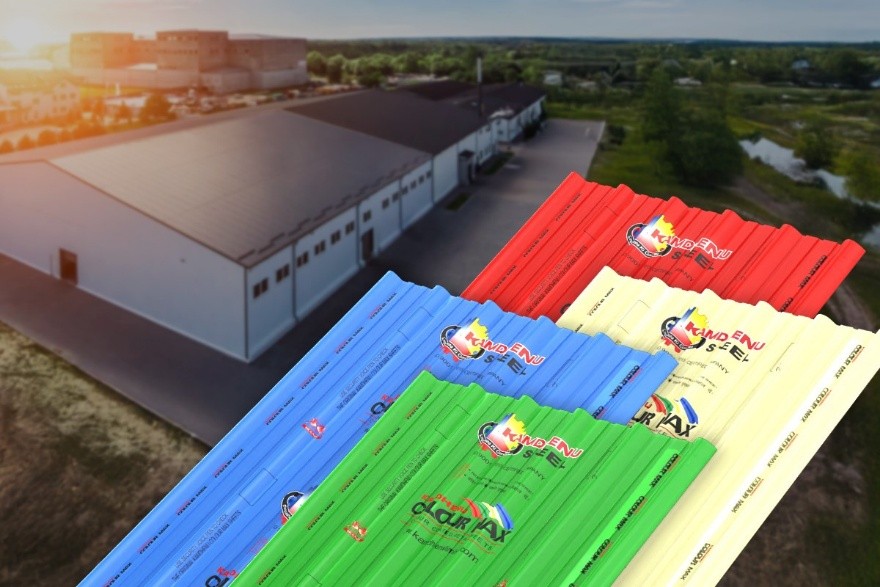
Kamdhenu Colour Max Hi Rib is described by the company as a range of trapezoidal roofing and cladding products. Kamdhenu highlights durability, strength, thermal efficiency, wider valleys for water discharge and availability in different colours and finishes.
A deeper rib is not automatically better. Profile selection must be supported by tested span data, suitable sheet thickness and correct installation.
Factors to Consider Before Selecting Industrial Roofing Sheets
Base Material
The first decision is whether the project requires GI, PPGI, PPGL, insulated panels or another approved material.
The base metal should suit the building's use and exposure. A general warehouse may have different requirements from a cold store, humid processing unit or chemically aggressive industrial facility.
Sheet Thickness
Thickness affects stiffness, weight and performance, but it should not be evaluated in isolation. Profile shape, steel strength and purlin spacing are equally important.
Specifications should clearly state whether the quoted value is base metal thickness or total coated thickness. This prevents misleading comparisons between products. A sheet thickness of 0.30 mm to 0.60 mm is available for Kamdhenu Colour Max.
Protective Coating
The coating protects the steel from environmental exposure. Buyers should specify the zinc or aluminium-zinc coating mass and the required paint system where applicable.
A proper corrosion resistant roofing strategy considers the base coating, topcoat, fasteners, sealants, ventilation and compatibility between different metals. Buyers should specify the zinc coating (80 GSM to 120 GSM) or aluminium-zinc coating (AZ 70 & AZ 150).
Profile and Effective Cover Width
The specification should identify the rib depth, effective cover width and manufacturer reference. It should also define side-lap and end-lap arrangements.
For roofing sheets for warehouse and factory projects, the profile must suit the purlin spacing, wind loads, rainfall intensity and roof slope.
Strength and Span
Minimum yield strength should be stated where relevant. The sheet should be selected using manufacturer span data and structural design rather than assumptions based only on thickness.
Wind suction is particularly important at roof edges and corners. Fastener spacing may need to change in these higher-pressure areas.
Rainfall and Roof Slope
Profiles with suitable valleys and an adequate roof slope can discharge rainwater efficiently. Gutters, flashings and downpipes must also be sized for local rainfall conditions.
Water should not be allowed to collect around end laps, penetrations or poorly detailed drainage points.
Thermal Performance
Light-coloured coatings, insulation and ventilated roof assemblies can help reduce heat gain. Performance depends on the complete roof build-up rather than colour alone.
Facilities requiring tighter temperature control may need insulated panels, vapour barriers or specialised ventilation.
Fasteners and Accessories
The performance of industrial roofing sheets also depends on fasteners, washers, ridges, flashings, gutters and sealants.
Recommended self-drilling fasteners with suitable EPDM washers should be used. Incompatible or poor-quality accessories can shorten the service life of the entire roof.
Benefits of High-Quality Industrial Roofing Sheets
Faster Installation
Long sheet lengths cover large areas quickly. Factory-made profiles reduce the need for extensive on-site fabrication, supporting faster building enclosure and earlier equipment installation.
Lower Dead Load
Metal roofing is lighter than many conventional roofing systems. Subject to engineering design, the lower roof weight can reduce the load placed on purlins and main structural frames.
Better Water Management
Correctly selected profiles and adequate slopes allow rainwater to drain efficiently. Wider valleys and properly designed gutters are especially useful during intense monsoon conditions.
Consistent Appearance
Colour-coated industrial roofing sheets create a uniform finish across the roof and wall cladding. This can produce a cleaner industrial façade and support visual consistency across the facility.
Easier Maintenance and Replacement
Individual sheets, fasteners and flashings can be inspected and replaced when required. Planned access, safe walkways and fall-protection systems are still essential.
Potential Thermal Improvement
Reflective outer colours, insulation, ventilation and controlled skylight coverage can reduce heat gain. The actual improvement depends on the complete roof assembly.
Long-Term Corrosion Protection
A properly specified corrosion resistant roofing system can reduce damage caused by rain, humidity, coastal salts and industrial pollutants. The protection must extend beyond the sheets to fasteners, accessories and exposed cut edges.
Corrosion Risks in Industrial Roofing
Industrial roofs may corrode from both the outside and inside.
External risks include rain, salt-laden coastal air and airborne pollutants. Internal risks include condensation, steam, trapped humidity and chemical fumes released by industrial processes.
A complete corrosion resistant roofing approach should include:
- A coating suited to the site environment
- Compatible paint and fastener systems
- Adequate ventilation and condensation control
- Correctly sealed penetrations
- Prompt removal of drill swarf and metal cuttings
- Separation of incompatible metals
- Suitable repair of damaged coatings
Guard Films should be removed immediately after installation because they can rust and stain the roof surface. Cold-cutting methods should be used where practical to reduce coating damage.
Kamdhenu Colour Max is offered for roofing and wall cladding in pre-painted galvanised and aluminium-zinc-coated steel options. The company positions the products around weather resistance, corrosion resistance, thermal efficiency and low maintenance. Buyers should confirm the current coating and thickness specification for the project environment.
How to Specify Industrial Roofing Sheets
A professional purchase specification should include more than a product or profile name.
| Specification item | What to state |
|---|---|
| Base metal | GI, PPGI, PPGL or another approved material |
| Thickness | Base metal thickness or total coated thickness, clearly defined |
| Coating | Zinc or aluminium-zinc coating mass and paint system |
| Profile | Rib depth, effective cover width and manufacturer reference |
| Strength | Minimum yield strength where relevant |
| Colour | Approved shade and finish |
| Accessories | Ridge, flashing, gutter, fasteners and sealants |
| Testing | Coating, adhesion, dimensions and mechanical checks |
Tolerances and inspection requirements should be stated clearly. Sample sheets should be reviewed before final approval where colour matching is important.
Best Roofing Sheets for Different Factory Applications
General Warehouses
Colour-coated trapezoidal sheets with optional insulation suit many general storage buildings. When selecting roofing sheets for warehouse projects, buyers should assess span, ventilation, internal heat and the sensitivity of stored goods.
Logistics and Distribution Sheds
Large logistics buildings require long roof runs, effective drainage and careful movement detailing. Controlled daylight may also be introduced through compatible translucent sheets.
Cold Stores
Cold stores normally need insulated sandwich panels, effective vapour control and carefully sealed joints. Thermal continuity is more important than selecting the outer sheet alone.
Food-Processing Facilities
Food-processing units may require insulation, condensation control and easily maintainable internal surfaces. The selected roof system should support hygiene and temperature requirements.
Humid Process Buildings
Buildings that release steam or moisture need ventilation and condensation management. Internal corrosion risk should be considered when selecting industrial roofing sheets and their protective coatings.
Corrosive Industrial Facilities
Factories exposed to chemicals or aggressive fumes require an environment-specific coating assessment. A standard warehouse specification should not be copied without reviewing the actual exposure conditions.
PPGI Roofing Sheets vs GI Roofing Sheets
GI sheets have a zinc-coated steel base and a plain metallic appearance. They are commonly used where a simple industrial finish is acceptable.
PPGI roofing sheets use a galvanised steel base with an additional paint system. This gives them a finished colour and another protective layer.
The right choice depends on appearance, exposure, maintenance expectations and project specifications. Product comparisons should consider coating, thickness, profile, strength and accessories—not colour alone.
Installation Tips for Long-Lasting Industrial Roofing
Many roof failures are caused by poor installation rather than defective sheet material. Contractors should follow the recommendations of the roofing-system supplier and project designer.
Store Sheets Correctly
Bundles should be stored on raised supports with a slight slope and suitable weather protection. Water should not remain trapped between stacked sheets.
Lift Instead of Dragging
Sheets should be lifted rather than dragged across one another or over rough surfaces. Dragging may scratch the protective coating.
Use Recommended Fasteners
Use suitable self-drilling fasteners and EPDM washers. Screws should not be over-driven because excessive pressure can damage washers and create leak points.
Maintain Correct Overlaps
Side laps and end laps should follow the approved installation detail. End laps should be kept away from areas where water may collect.
Remove Guard Films
Drill swarf and cuttings should be cleaned immediately. Small metal particles can rust and permanently stain the roof.
Seal Penetrations Properly
Openings for ducts, pipes, vents and equipment should have correctly designed flashings and sealants. Every penetration should be inspected before handover.
Allow for Movement
Long roof runs may expand and contract with temperature changes. Appropriate movement details should be included in the system design.
Common Mistakes to Avoid
Common errors when selecting or installing industrial roofing sheets include:
- Comparing products only by colour or nominal thickness
- Failing to define base metal thickness clearly
- Copying specifications from unrelated projects
- Ignoring internal humidity or chemical exposure
- Using incompatible fasteners or metals
- Over-driving screws
- Installing insufficient overlaps
- Damaging coatings during handling
- Leaving Guard Films on the roof
- Poorly sealing roof penetrations
- Ignoring ventilation and condensation
- Selecting a deeper profile without checking span data
Avoiding these mistakes helps protect the roof and the equipment, goods and operations beneath it.
Maintenance Tips
Regular inspection is essential for both standard and corrosion resistant roofing systems.
Maintenance should include checking fasteners, washers, flashings, sealants, gutters and penetrations. Accumulated leaves, dust and industrial debris should be removed so that water can drain freely.
Scratched or damaged coated areas should be repaired using an approved system. Signs of internal condensation, coating failure or incompatible-metal corrosion should be investigated promptly.
Safe access and fall-protection arrangements must be planned before anyone performs roof inspection or maintenance.
Frequently Asked Questions
Which roofing sheet is best for a factory?
PPGI roofing sheets or pre-painted aluminium-zinc profiles suit many factories. The correct choice depends on environmental exposure, span, insulation requirements, internal operations and budget.
Is a thicker roofing sheet always better?
Not necessarily. Thickness affects stiffness, but profile shape, steel strength, purlin spacing and fastener arrangement also matter. Selection should follow manufacturer span data and structural design.
Which roofing sheets are suitable for warehouses?
Colour-coated trapezoidal sheets are commonly used as roofing sheets for warehouse buildings. Insulation, ventilation or translucent sheets may be added depending on the goods stored and internal temperature requirements.
How can heat inside a factory be reduced?
Use suitable insulation, reflective outer colours, ventilation and a controlled skylight area. The complete roof assembly should be assessed rather than relying on one product feature.
What causes industrial roofing sheets to corrode?
Corrosion may result from rain, coastal salts, industrial pollutants, chemical fumes, condensation, standing water, damaged coatings or contact between incompatible metals.
Are PPGI sheets suitable for wall cladding?
Yes. PPGI roofing sheets are also widely used for industrial wall cladding because they provide strength, colour and a finished appearance.
Why are EPDM washers important?
EPDM washers help seal fastener points and reduce the chance of water entering around screws. Damaged, missing or over-compressed washers may lead to leakage.
Can the same roofing specification be used for every factory?
No. A warehouse, cold store, food unit and corrosive process plant can have different exposure, insulation and ventilation requirements. Each roof should be designed for its actual use, wind zone and geometry.
Conclusion
Good industrial roofing sheets support production, protect assets and reduce maintenance risks. Selection should consider the base metal, coating, thickness, profile, strength, fasteners and accessories as a complete system.
The roof must also match the factory process and local climate. A general warehouse may require colour-coated profiles, while cold stores and corrosive facilities need more specialised assemblies.
Kamdhenu Colour Max offers hi-rib and colour-coated options for industrial roofing and cladding. Final selection should be supported by approved specifications, product samples, professional design and correct installation.