 October 11 2025
Binding Wire in Construction: Common Mistakes to Avoid
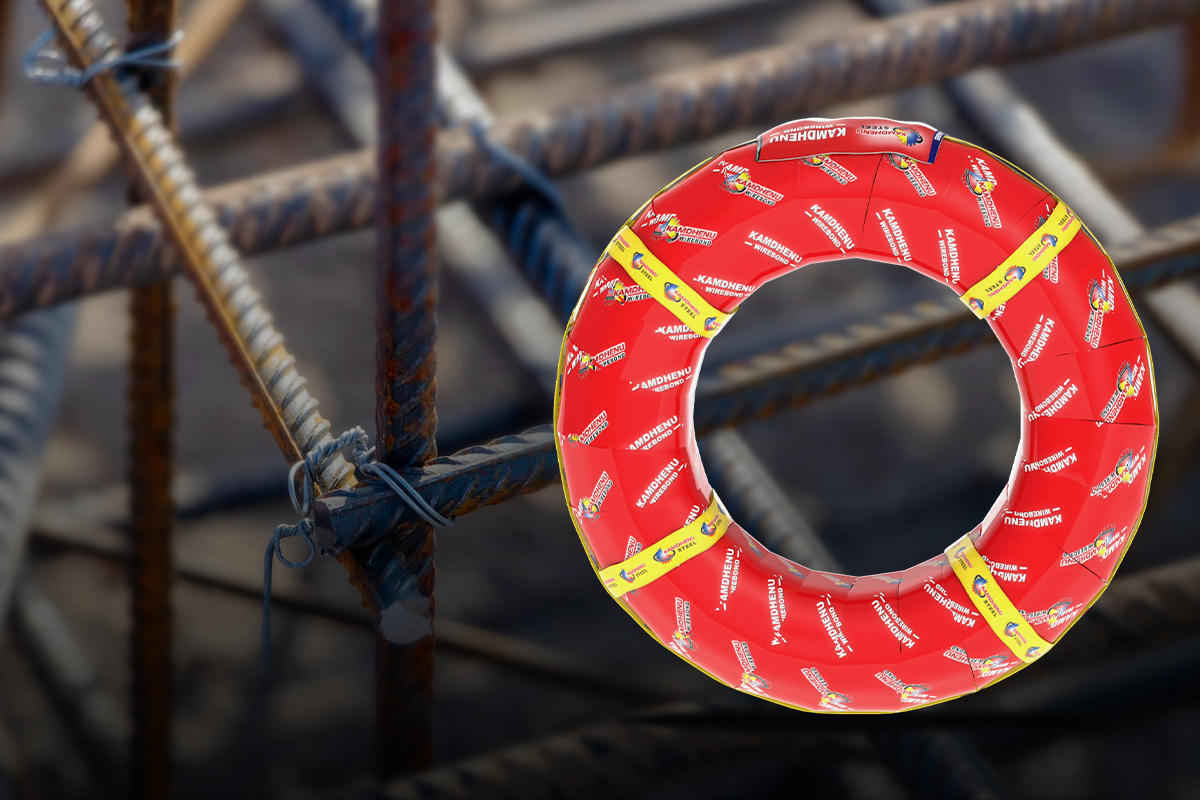
Binding wire looks small, but it does big work. It holds reinforcement steel steady so concrete sets in the right shape. If ties are weak, bars move, covers change, and cracks appear later. This guide explains common errors, how to avoid them, and how to pick the right wire.
It also covers simple checks at delivery and on-site. Think of it as a practical note for safe, neat, and faster work.
What does binding wire do in RCC work?
Binding wire keeps rebars at the right spacing. It locks stirrups and cages so they do not shift during shuttering, pouring, and vibration. Good ties protect design cover, help load transfer, and reduce rework. In short, ties protect the designer’s plan on site.
Choosing the right type and gauge
Binding wire is usually low-carbon, soft annealed. It bends and twists without breaking. Gauges commonly used for RCC are in the 0.9 mm to 1.2 mm range. Thicker wire is stronger but harder to twist. Thinner wire is easy to twist but may snap or loosen.
For slabs and beams, choose a gauge that gives a firm tie in two to three twists. For heavy cages, pick a slightly thicker wire to hold shape during vibration.
Mistake 1: Using underweight or brittle wire
Very thin or hard wire may look fine in a coil. On-site, it snaps when twisted or loosens after vibration. This leads to bar movement and uneven cover. Use soft, uniform wire that twists cleanly and holds the knot tight. If a tie needs many turns to feel firm, the gauge may be too small.
Mistake 2: Over-tight or loose ties
Over-tight ties cut into the bar and can damage the mill scale or coating. Loose ties let bars drift when concrete is poured. Aim for snug and secure. Two to three turns with pliers should lock the stirrup or intersection without biting into the steel. Test a few ties and shake the bar to check movement before proceeding.
Mistake 3: Wrong tie method for the joint
Not all joints need the same knot. A simple tie may suit slab intersections. A saddle tie or figure-eight may be better for beam-column cages or high vibration. Use stronger ties at corners and high-stress points. Keep the cut ends turned inward so workers do not get hurt, and the shuttering does not snag.
Mistake 4: Poor spacing of ties
Too few ties lead to gaps and bar drift. Too many ties waste time and add no real strength. Follow the bar-bending schedule and typical site practice. For slabs, tie at every intersection or at planned intervals as per drawings. For beams and columns, ensure every stirrup is tied on all faces. Keep spacing consistent so the cage looks uniform and stable.
Mistake 5: Ignoring corrosion in harsh sites
In coastal zones and damp basements, binding wire can rust early. Rusted ties may fail during vibration or later. Store coils off the ground and covered. If a site is close to the sea, keep coils in dry storage. Clean, muddy or oily wire before use to maintain grip.
Mistake 6: Mixing metals without care
If wire and bars are dissimilar metals, galvanic action may occur in wet zones. Most RCC uses low-carbon steel ties on steel bars, which is fine. Avoid uncoated mild steel ties with stainless steel bars unless the design allows it. If in doubt, keep like with like.
What to check at delivery?
-
Coil weight and labelling: Confirm gauge, batch, and maker mark.
-
Surface finish: Wire should be clean, with no heavy scale, oil, or deep rust.
-
Ductility test: Cut a short length and twist it. It should bend and twist without cracking.
-
Uniform diameter: Randomly check with a vernier if available for a consistent gauge.
How to plan a tying on-site?
Set a simple method statement. Mark where to use simple ties and where to use stronger ties. Fix the paces for slab intersections. Make sure each stirrup in beams and columns is tied on all sides. Keep a basic inspection checklist. Check the first bay, then continue. Small discipline here saves big time during pouring.
Safety first with sharp wire
Wear gloves and eye protection when cutting and twisting. Keep cut ends turned inwards to avoid cuts. Collect offcuts and dispose of them safely so they do not poke through shuttering or trip workers. Keep pliers in good condition for clean twists.
Money matters: how ties save cost?
Binding wire is a small cost but affects big items. Good ties prevent bar shift, which saves shuttering adjustments, avoids rebar fixing rework, and prevents honeycombing due to displaced cages. That means fewer delays, fewer bags of repair mortar, and fewer complaints. A reliable coil that ties right is cheaper in the end than a bargain coil that fails.
Where to use which gauge?
-
Slabs and light cages: Medium gauge that twists firmly in two to three turns.
-
Beams and columns: Slightly thicker for corner stability and during compaction.
-
Heavier cages and dense reinforcement: Thicker wire for a strong hold and less slip.
Simple field checklist before concrete
-
Rebar spacing: Matches drawing.
-
Ties at corners: Strong knot used.
-
Ties at intersections: Consistent and snug.
-
Cut ends: Folded inward and not protruding.
-
Movement test: Shake the cage lightly. There should be no visible shift.
-
Cover blocks: In place and of the correct thickness before pour.
Comparing options: quick view
|
Criteria |
Soft Annealed Steel Wire |
Hard Drawn Wire |
|
Ease of twisting |
Easy, fewer turns needed |
Hard, more effort and risk of snap |
|
Hold during vibration |
Good when tied right |
Can loosen if not tied very tight |
|
Worker fatigue |
Lower due to pliability |
Higher due to stiffness |
|
Best use |
General RCC tying |
Limited, not preferred for RCC cages |
A few on-site tips from experience
Keep coils close to the work front to reduce time loss. Pre-cut lengths for common ties so fixers work faster. For dense joints, pre-bend short U pieces that hook and tie faster. In hot months, plan breaks so workers tie carefully and do not rush. A neat cage is a safe cage and pours better.
FAQs
-
Which wire is best for slab tying?
-
Soft annealed Steel Wire in the right gauge. It twists clean and holds during vibration.
-
Is thicker always better?
-
No. Too thick makes tying slow and may not bend well. Choose a gauge that holds firm in two to three turns.
-
Can I reuse old wire from demolition?
-
Do not. The old wire is weak and uneven. Use fresh wire for reliable ties.
Conclusion
The binding wire keeps reinforcement in place so the concrete sets as designed. Choose soft, uniform Steel Wire in the right gauge. Tie snug, not too tight. Use the right knot at the right spot. Store coils dry. Check spacing, corners, and cover before pouring. Small care here prevents cracks, rework, and delays later.
Treat binding wire as a key part of the structure, and the slab, beam, and column will reward that care with a longer, safer life.