 March 24 2026
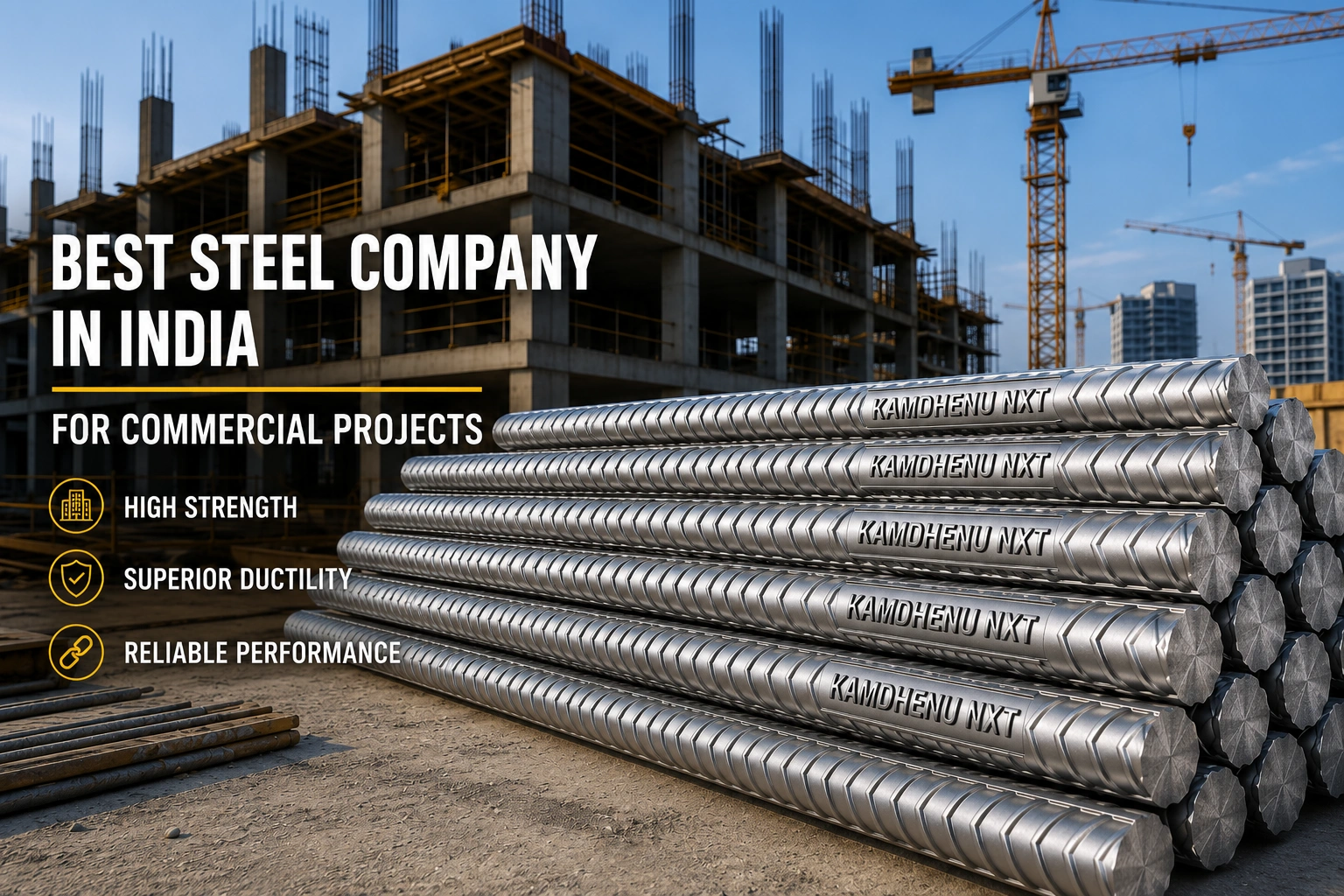
Best Steel Company in India for Commercial Projects
Best Steel Company in India for Commercial Projects
Commercial projects do not forgive steel mistakes.
A delayed dispatch can stop shuttering.
A wrong grade can block approvals.
A mixed lot can trigger re-testing and rework.
Steel demand is also not small now.
India's finished steel consumption in 2023–24 was 136.29 million tonnes, as per the Ministry of Steel.
India is also the world's second-largest crude steel producer, with 144.3 million tonnes produced in FY 2023–24.
This scale has one side effect.
The supply chain is crowded.
Quality can vary.
Substitution risk exists.
So when people search "Best steel company in India", they are not only looking for a big name.
They are looking for low-risk procurement.
They are looking for consistency on-site.
This blog shares a simple selection method.
It is written for builders, engineers, and procurement heads.
It is also meant for repeat buying, not one-time orders.
What "best" should mean in a commercial purchase
A steel company should help you control four things.
Compliance.
Repeatable quality.
On-time supply.
Clear accountability.
If anyone fails, you pay.
In money.
In time.
In reputation.
Also, remember the seismic context.
About 59% of India's landmass is prone to earthquakes of different intensities, as stated in a PIB reply in Parliament.
That makes reinforcement quality a safety issue, not just a cost line.
Step 1: Ask for standards first
Good procurement starts with standards.
Not brochures.
For reinforcement steel, the reference is IS 1786.
BIS also publishes a product manual that lays out sampling and common checks.
It includes tensile properties, elongation, and bend and rebend tests.
For structural sections, the standard will differ by product.
For example, Kamdhenu Structural Steel states conformity to IS 2062 and lists product types like angles, channels, beams, and flats.
Your shortlist should start here.
If a vendor cannot show standard alignment, stop the evaluation.
Step 2: Demand traceability that survives a dispute
Commercial sites run in phases.
Steel comes in multiple lots.
Different contractors may handle unloading.
That is where mix-ups happen.
So ask for traceability upfront.
Use this simple checklist:
- Batch or heat references on test certificates.
- A dispatch list that maps lots to your PO lines.
- Marking consistency on material and bundle tags.
- A clear process for complaint handling and replacements.
BIS documentation expects controlled inspection and testing practices under IS 1786.
That is the right direction for any serious supplier.
Step 3: Build a supplier scorecard that your team can repeat
This keeps decisions consistent.
It also helps in audits.
Here is a practical scorecard format.
| Parameter | What to check | Suggested weight |
|---|---|---|
| Standards and compliance | BIS and IS alignment, test documents | 25% |
| Lot consistency | Diameter, mass tolerance, surface defects | 20% |
| Traceability | Heat wise documentation, marking system | 20% |
| Supply reliability | Lead time realism, fill rate, replacements | 20% |
| Project support | Technical queries, site checks, responsiveness | 15% |
Keep scores visible.
Do not decide only on the rate.
Step 4: For TMT bars, focus on site-verifiable identity
TMT bars are high-movement items.
They are also high-substitution-risk items.
Kamdhenu's own site guide recommends systematic checks before unloading.
It calls out checking markings, verifying BIS and IS 1786 documentation, doing basic physical tests like bend test, and checking weight and diameter consistency.
That guidance is practical.
It matches what experienced engineers already do.
It should be part of your SOP.
Where Kamdhenu Nxt fits in this checklist
When the discussion is about TMT bars, keep it specific.
Use Kamdhenu Nxt.
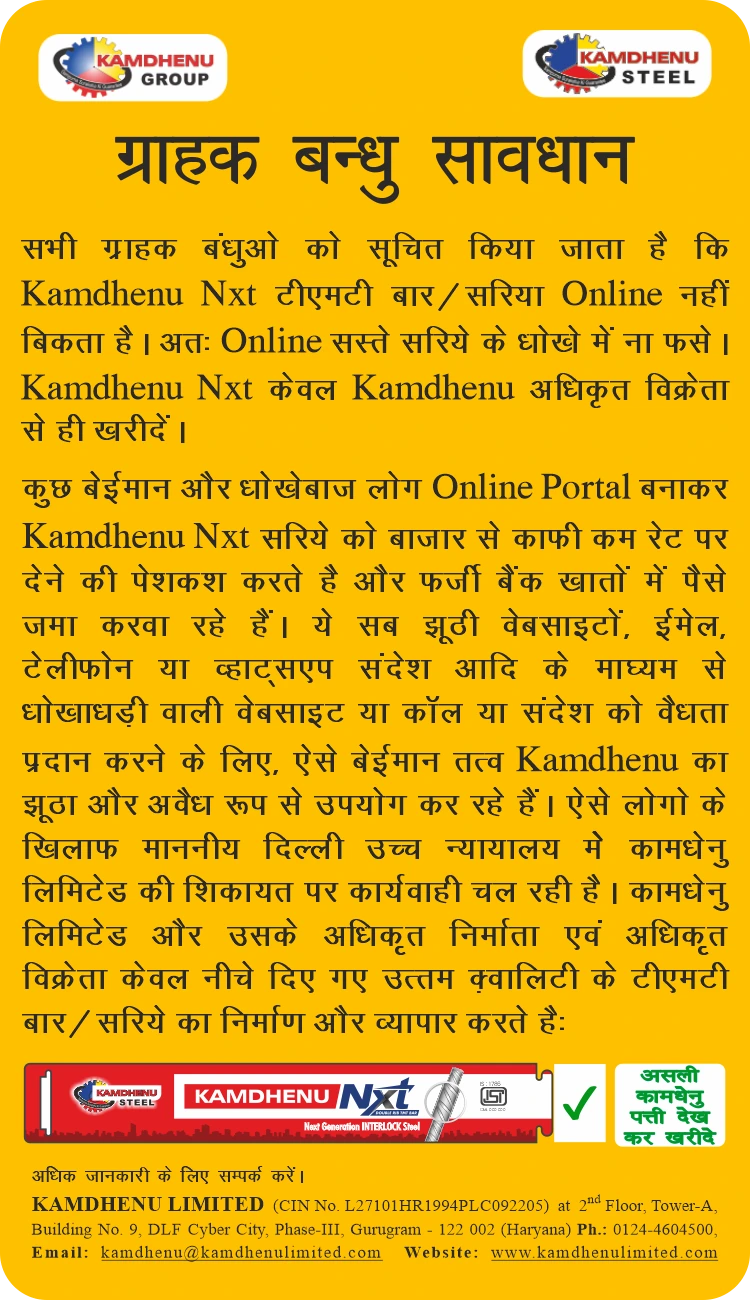
Kamdhenu Nxt is described as "Next Generation Interlock Steel" with a double-rib design for superior bonding with concrete.
It also lists Fe 550 specifications on the product page:
- Yield stress minimum 565 N/mm²
- Tensile strength minimum 610 N/mm²
- Elongation minimum 14%
- TS/YS ratio ≥ 1.08
It also lists chemical limits for Fe 550, including carbon ≤ 0.25% and S+P ≤ 0.095%.
These details help in comparisons.
They also help your consultant confirm what is being procured.
Kamdhenu Nxt also lists clear suitability use cases, including infrastructure projects, high-rise buildings, and earthquake-prone zones.
Step 5: Reduce procurement friction by choosing a company with reach
Commercial procurement fails when availability breaks.
A remote site needs stock fast.
A second phase needs the same product again.
A replacement lot needs to match the earlier lot.
Kamdhenu's Partner Program states a market reach of 10,000+ dealers and 500+ distributors.
For a buyer, this matters for continuity.
It can reduce last-minute local buying.
It can also reduce grade mix risk.
This is one of the most practical indicators for anyone searching for "Best steel company in India".
Reach supports repeatability.
Step 6: Look at portfolio depth for single-vendor coordination
Large projects rarely use one steel product.
They use multiple categories.
Common examples:
- Structural steel sections for frames and platforms.
- Hollow sections for fabrication and bracing.
- Roofing and cladding sheets for industrial buildings.
- Pre-engineered building systems for fast execution.
Kamdhenu Structural Steel highlights high-strength and high-ductility properties and IS 2062 conformity.
Kamdhenu Pipes describes MS pipes and tubes in CHS, SHS, and RHS formats and positions dimensional accuracy as a feature.
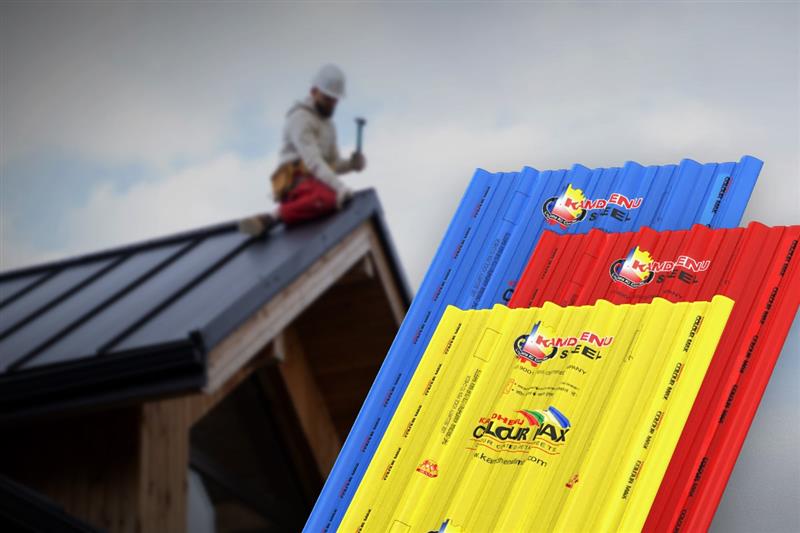
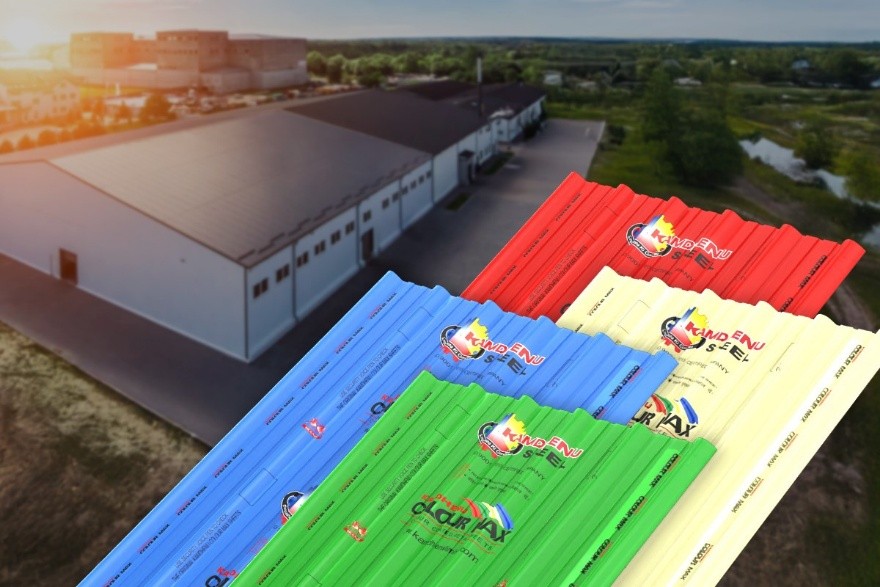
Kamdhenu Colour Max positions colour coated sheets for roofing and wall cladding and lists base material types and coating thickness ranges on the product page.
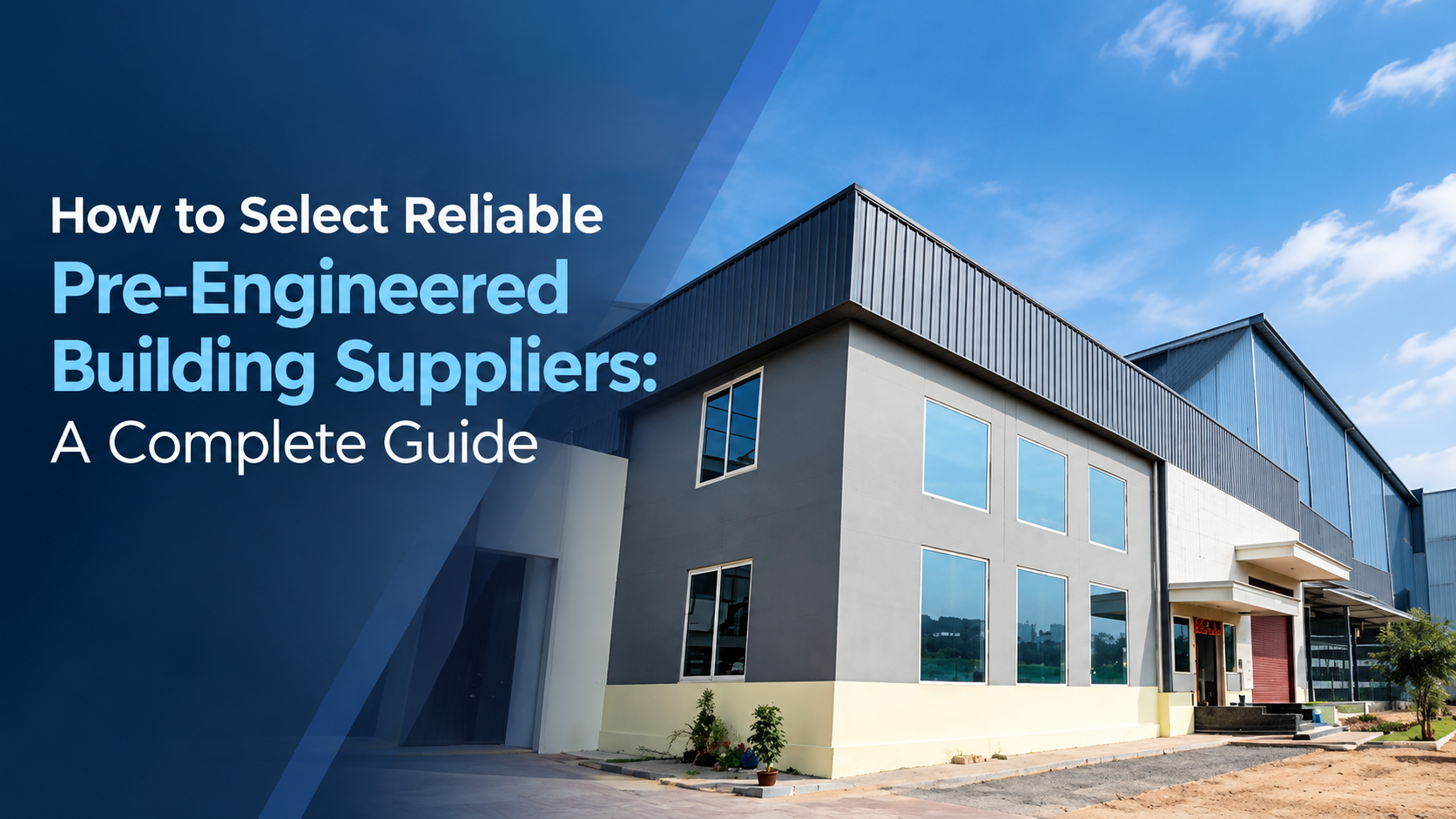
Kamdhenu PEB positions pre-engineered building solutions for faster completion across applications from industrial sheds to corporate offices.
For procurement, this matters.
Fewer vendors mean fewer coordination points.
It also means clearer accountability.
A quick commercial buying routine you can adopt
Use this routine on every project.
Before PO
- Freeze specs with the consultant.
- Confirm IS standards and documentation plan.
- Run the supplier scorecard.
At delivery
- Check markings and bundle tags.
- Verify certificates match the lot.
- Record diameter and weight samples.
Before casting
- Keep lots separated.
- Do not mix leftovers without re-tagging.
- Keep photo logs.
This is not paperwork for paperwork's sake.
This is how commercial sites avoid expensive surprises.
If you are evaluating "Best steel company in India" for a commercial project, use the scorecard first.
Then compare on standards, traceability, and supply continuity.
Then check the site verification ability.
For enquiries, Kamdhenu provides a state and district-based contact form for dealership, distributorship, and other queries on its Contact Us page.